

If you're reading this before committing to a polished or sealed floor, here's the honest answer to the question you're actually asking.
Day to day, a concrete floor needs sweeping or vacuuming, and mopping with a gentle, pH-neutral cleaner. That's it. No special equipment, no polishing machines in the cupboard, no monthly ritual. Compared to carpet that needs professional cleaning, tiles with grout that stains, or timber that needs re-oiling, it's the least demanding floor in the house.
The one thing that isn't optional is the protective layer. Polished floors have a stain protector, sealed floors have a sealer, and coated floors have their coating. Those wear over time and need renewing periodically. How often depends on the floor and the traffic, and it's the reason this page exists.
Left alone indefinitely, any floor eventually looks tired. Kept up with, a concrete floor stays looking new for decades.
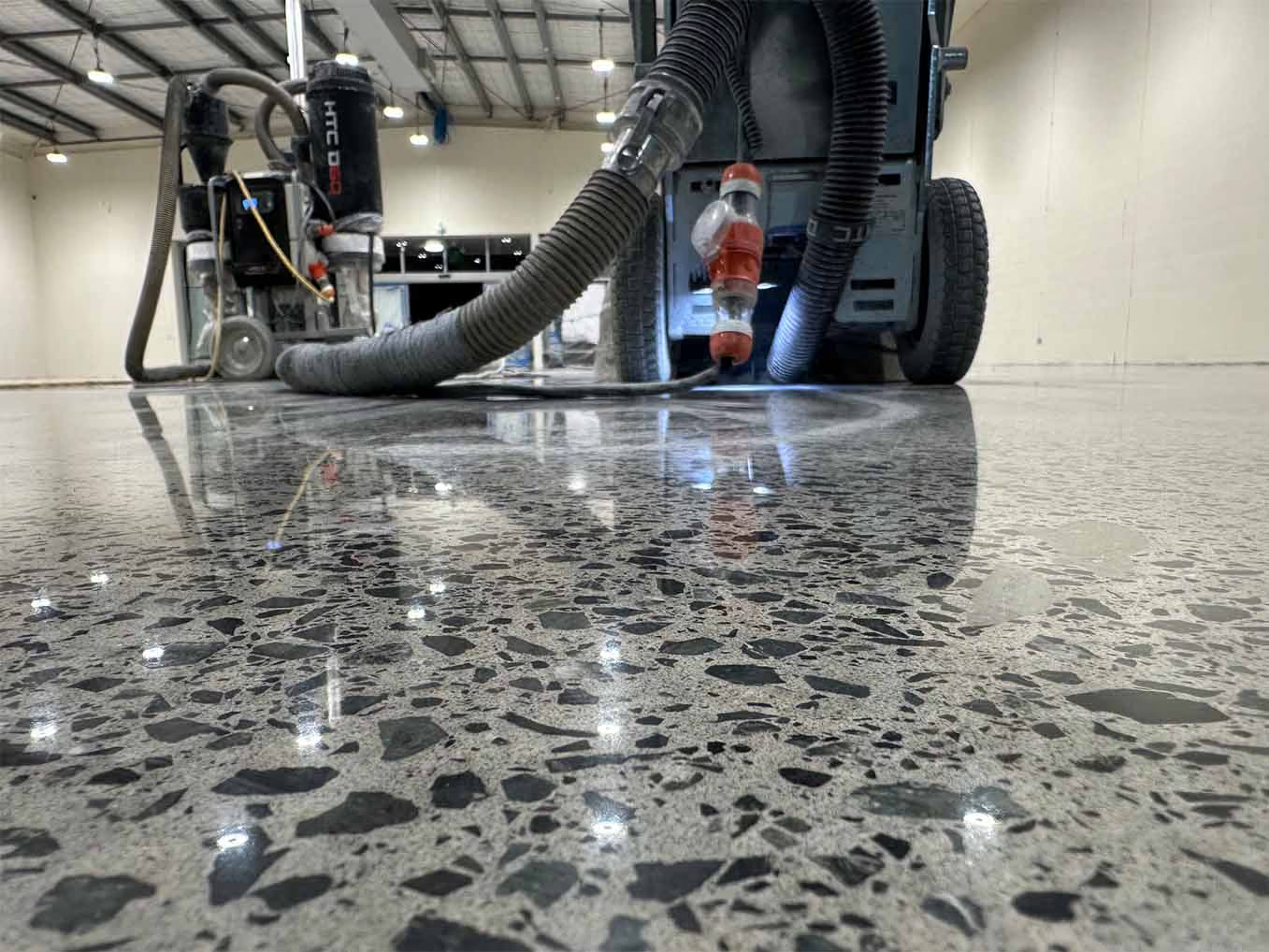
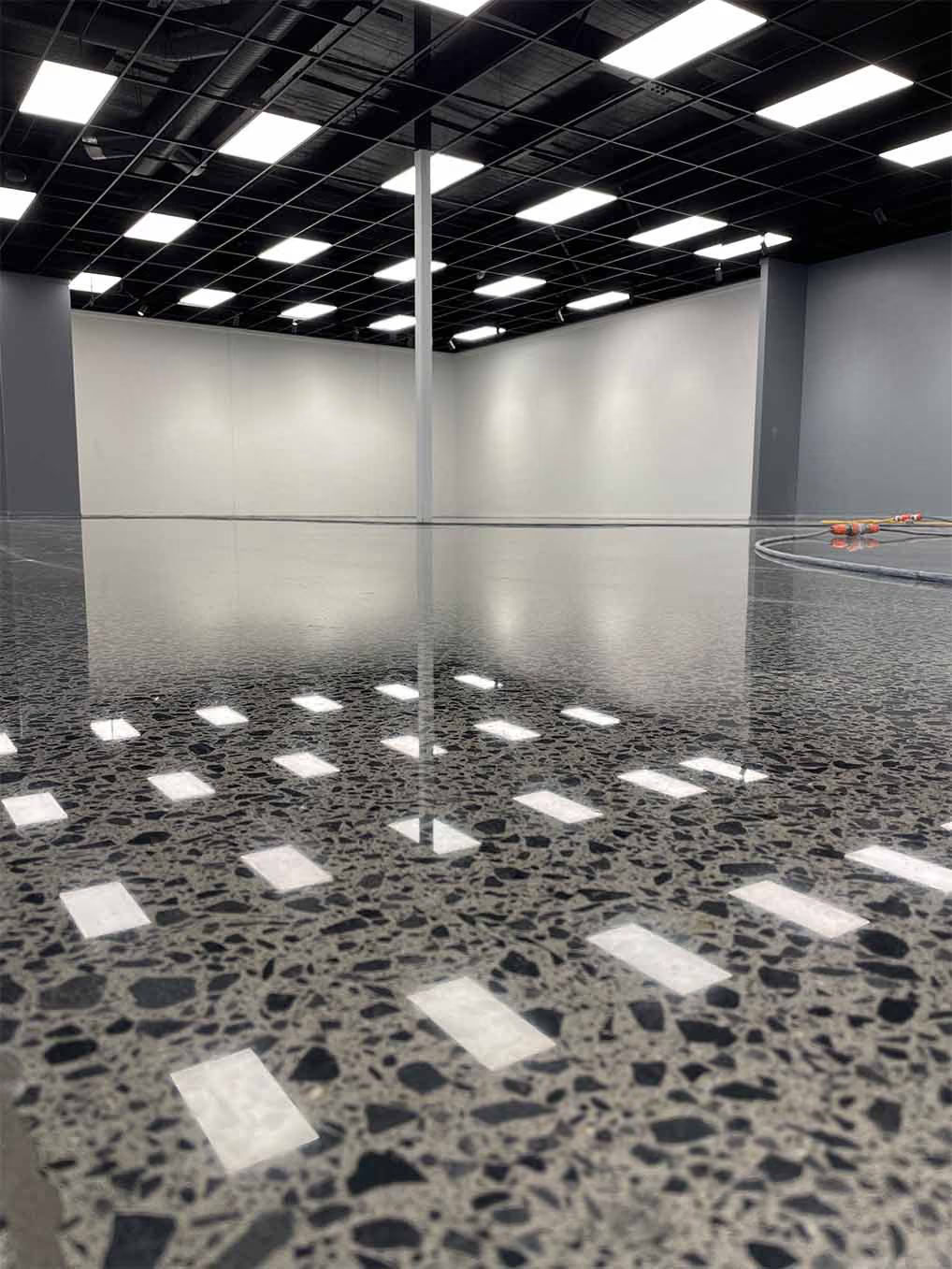
Topping up the stain protection on mechanically polished concrete, which keeps the surface repelling spills and keeps your warranty valid.
Cleaning the floor back and applying a fresh coat of sealer when the old one has worn.
A light re-polish that brings the shine back on floors that have dulled, without starting from scratch.
Fresh top coats on coated floors that have worn thin in the traffic paths.
Small chips, scratches and damage dealt with while we're there, rather than becoming a separate job later.
Scheduled visits for commercial sites, so the floor gets looked after without anyone having to remember.
Joints need their own attention as part of looking after a floor, and that's covered on our expansion joints page.
It depends on the floor and how hard it works, and anyone giving you a single number for every floor is guessing.
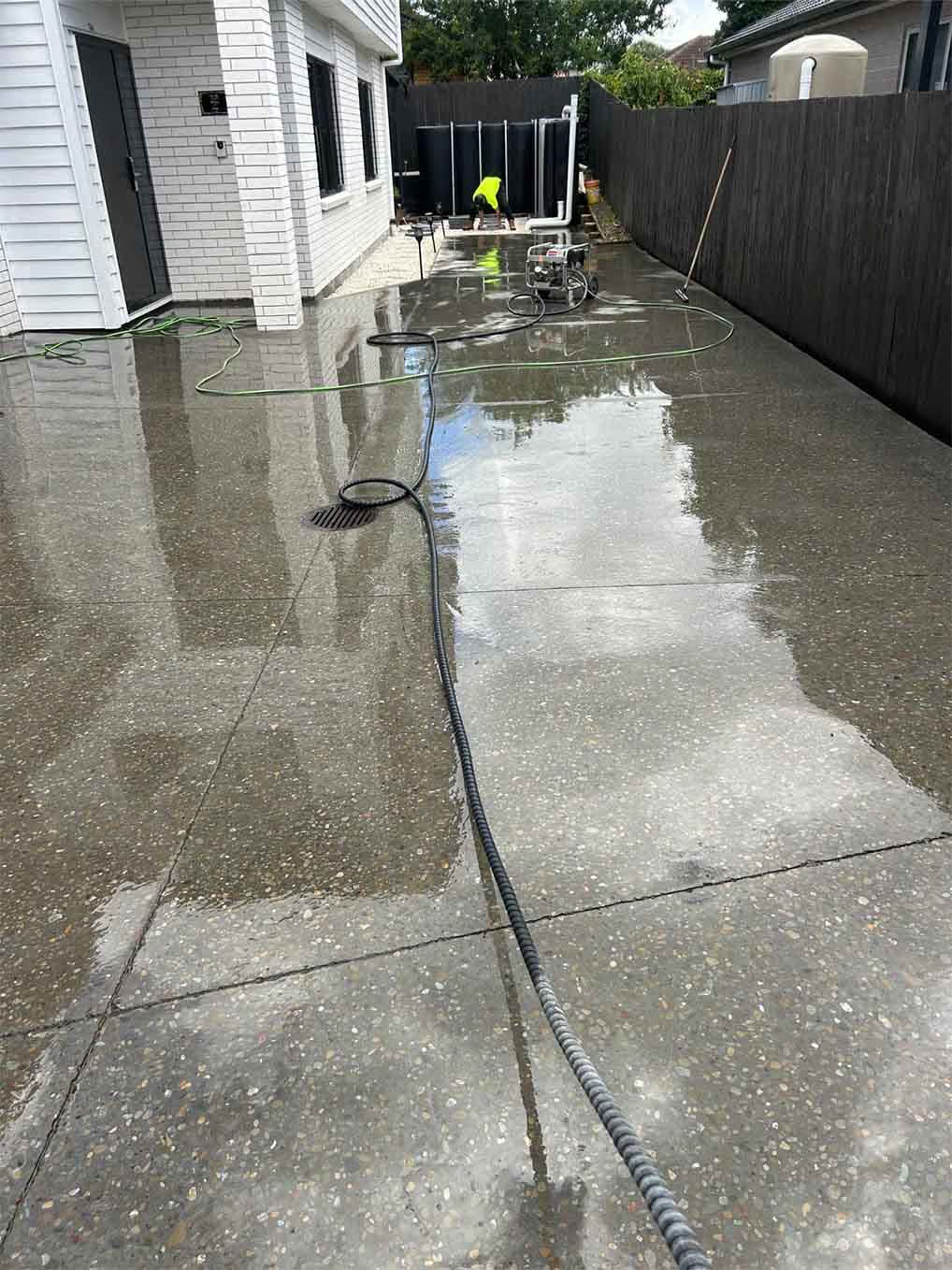
As a general guide, a polished floor in a home needs its stain protection topped up every few years, and a light re-polish considerably less often than that. Sealed floors indoors go a good while between coats, while outdoor sealed areas need it more often because sunlight breaks sealers down. Coated floors in a home garage last years, while a commercial floor taking constant traffic needs looking at far sooner.
The reliable way to know is simple: if water stops beading on the surface and starts soaking in, or if the traffic paths are visibly duller than the edges of the room, it's due.
We'll give you a realistic interval for your specific floor, and if you'd rather not track it yourself, we can just get in touch when it's time.
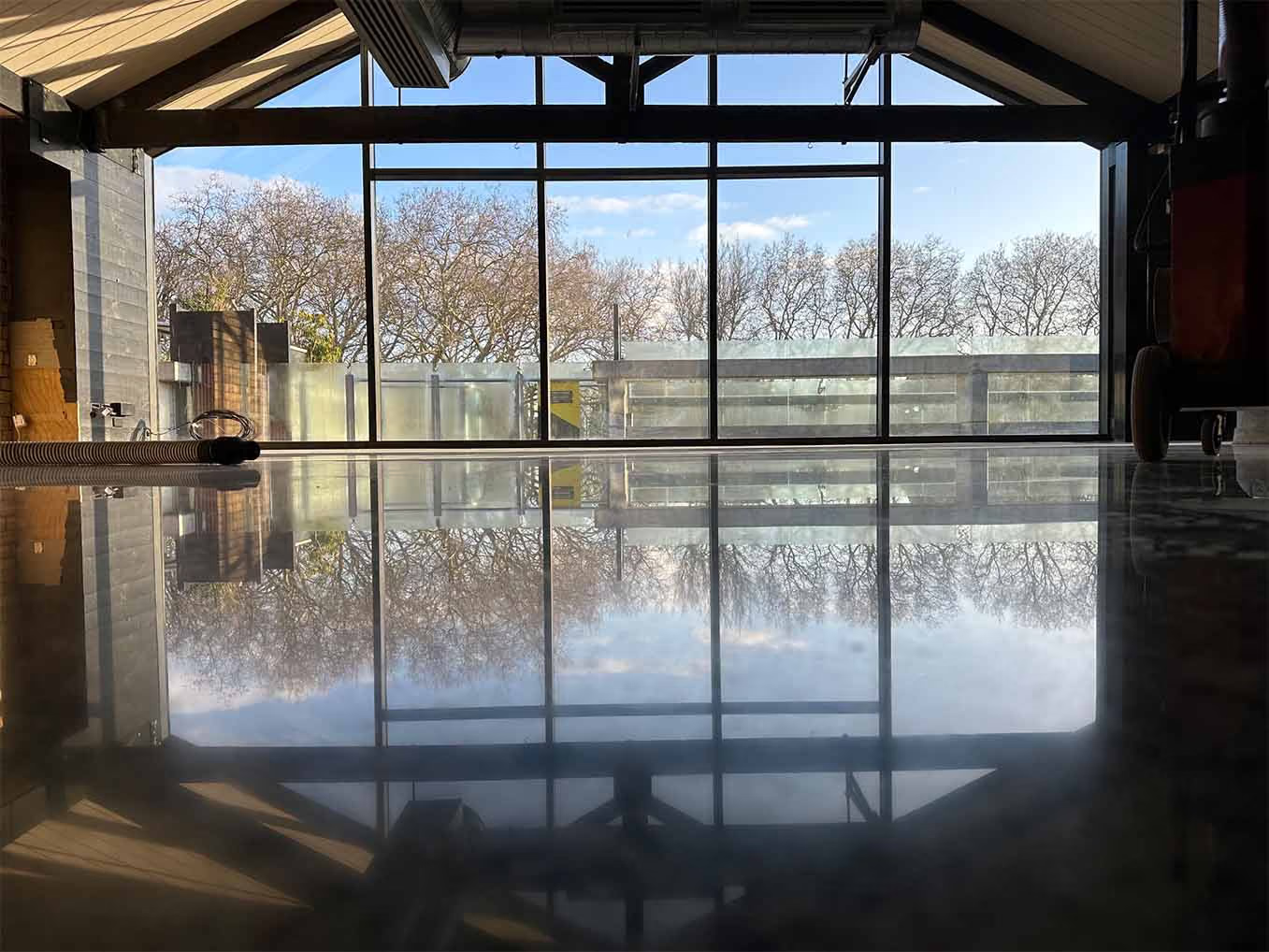
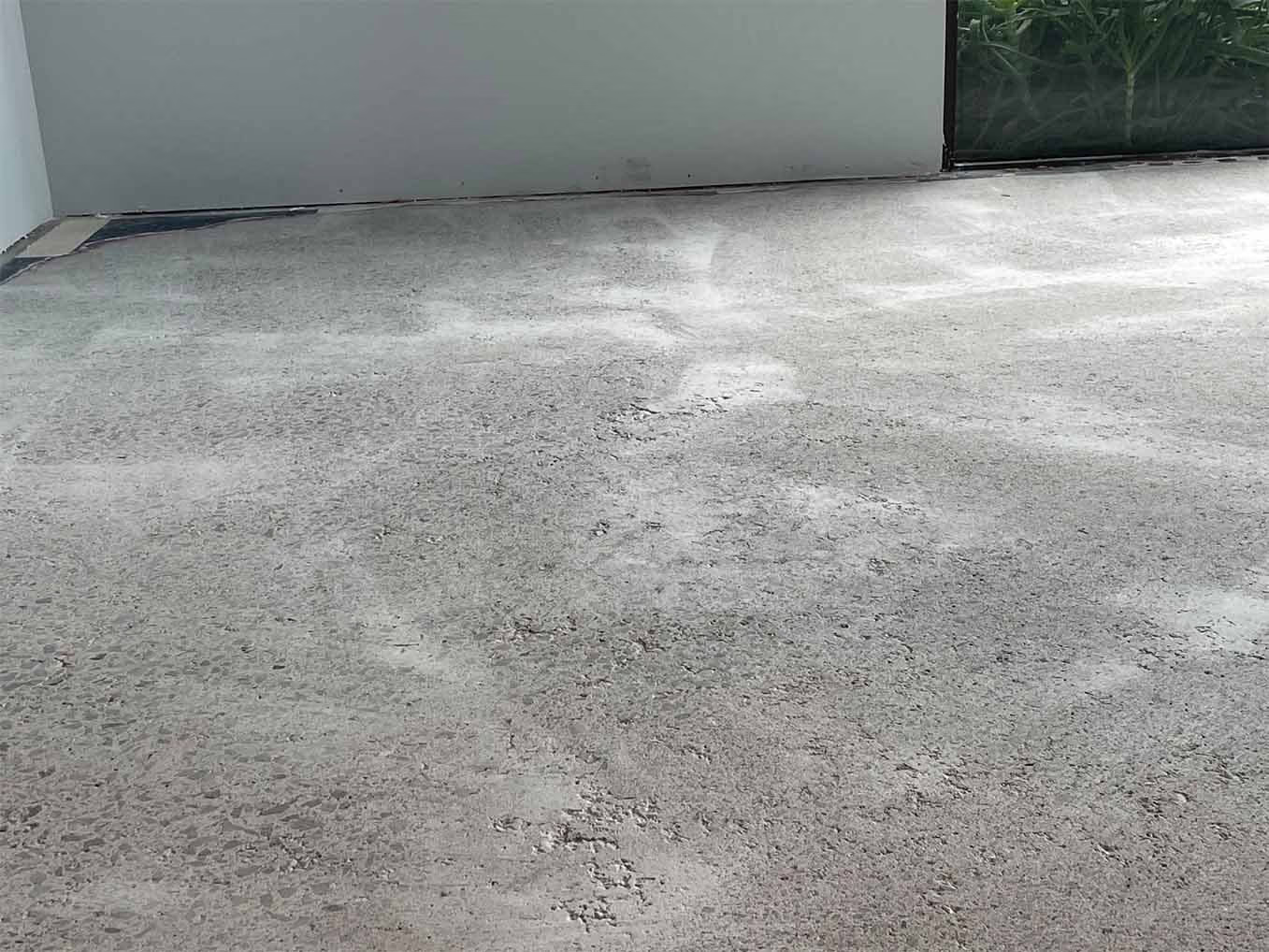
Plenty of the floors we're called to haven't been touched in ten years. That's normal, and it's usually fixable.
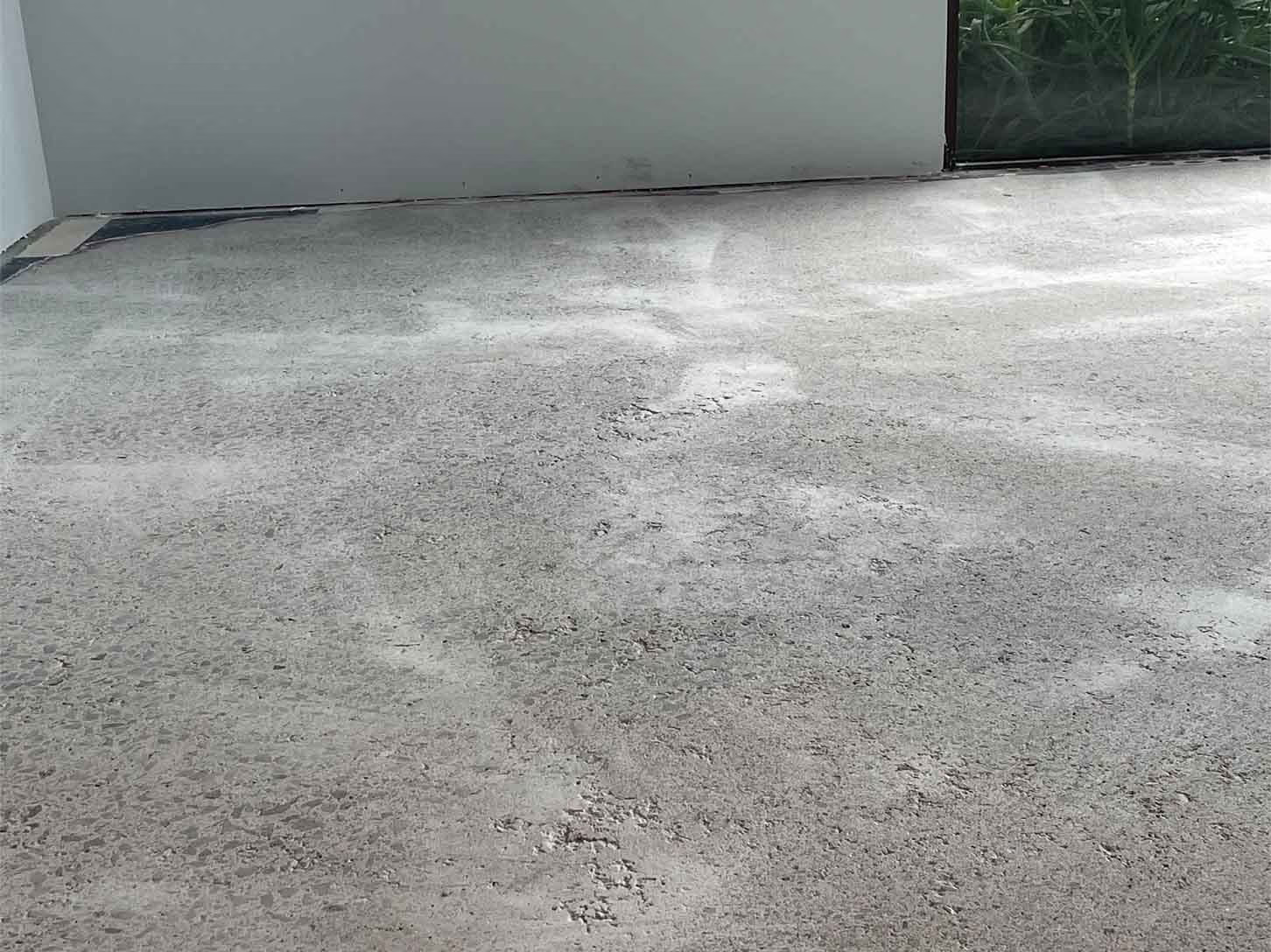
A dull, marked or patchy floor is rarely as far gone as it looks. Underneath the worn protection, the concrete is generally sound and the finish is still there. Restoration usually means cleaning the floor back properly, dealing with any damage, and reinstating the protection, and the difference is dramatic.
Where a floor has genuinely worn through, we can re-grind and re-finish it, which is a bigger job but still far cheaper than replacing a floor.
The main thing worth saying: don't assume it's beyond help. It very rarely is.
You don't need to have used us originally. A good portion of our maintenance work is on floors laid by other contractors, including ones who are no longer around.
We'll work out what's on your floor, tell you what it needs, and look after it from there. If the original finish was done poorly, we'll tell you that too, along with what can realistically be done about it.
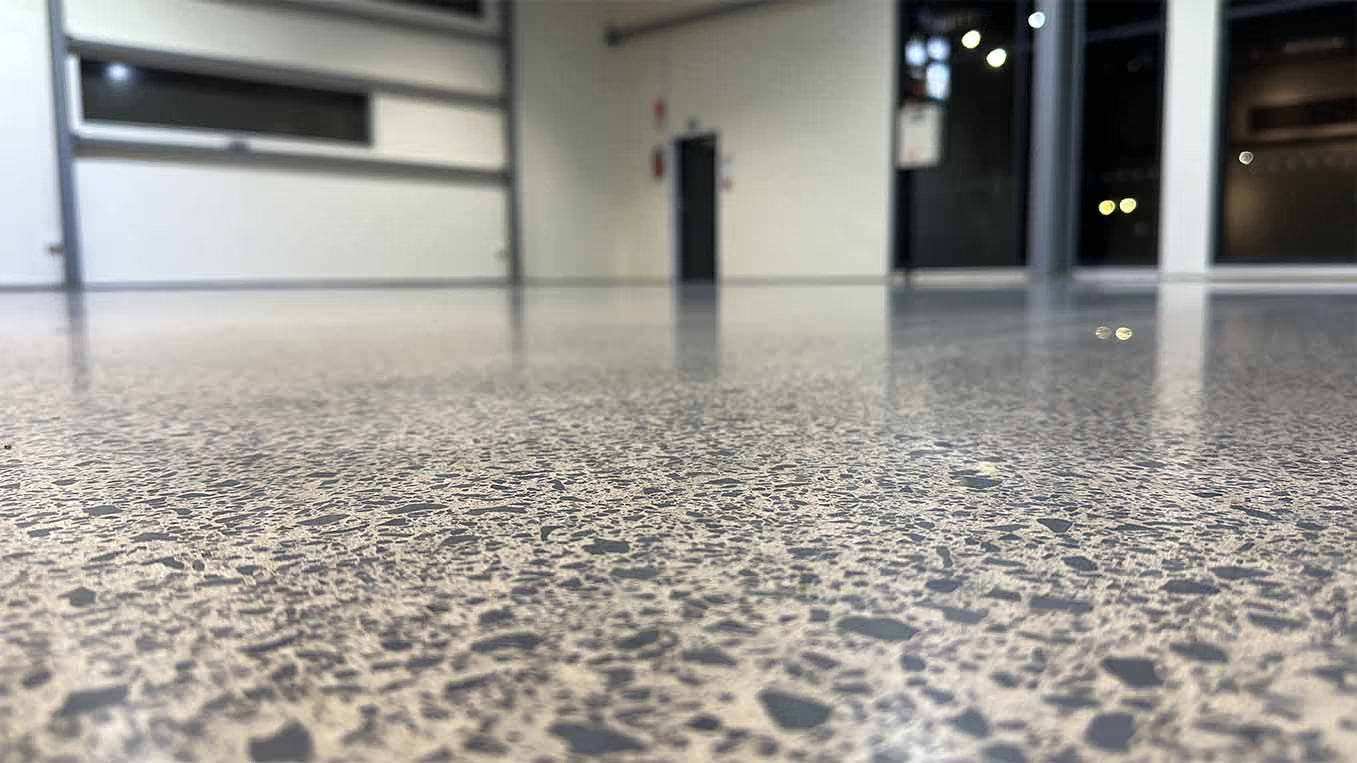
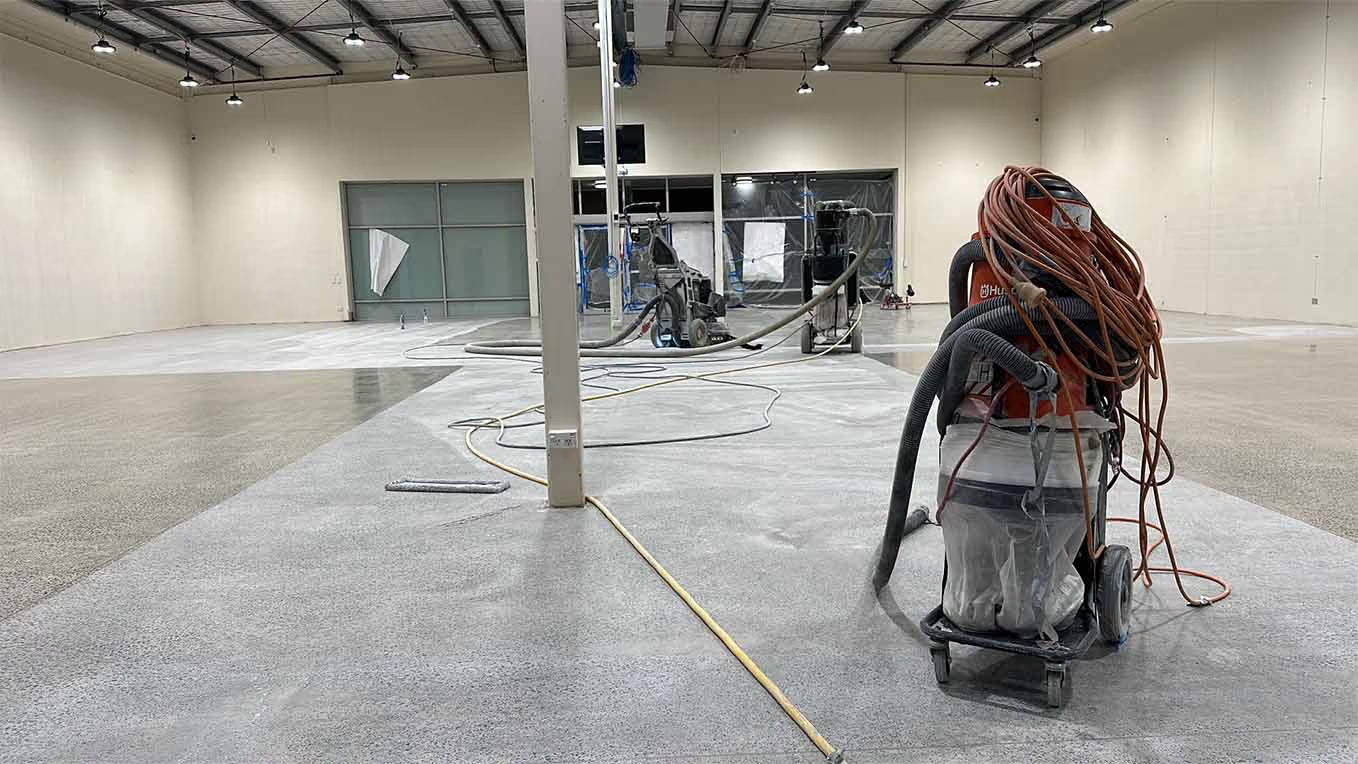
For shops, warehouses, offices and hospitality sites, a scheduled plan is easier than remembering. We'll set an interval based on your traffic, come in on an agreed schedule, and work around your trading hours so the floor gets looked after without disrupting the business.
A maintained commercial floor also stays cheaper. Recoating on schedule costs a fraction of restoring a floor that's been run into the ground, and it avoids the situation where a worn floor has to be dealt with urgently at the worst possible time.
Tell us your site and your hours and we'll put together an interval and a price.
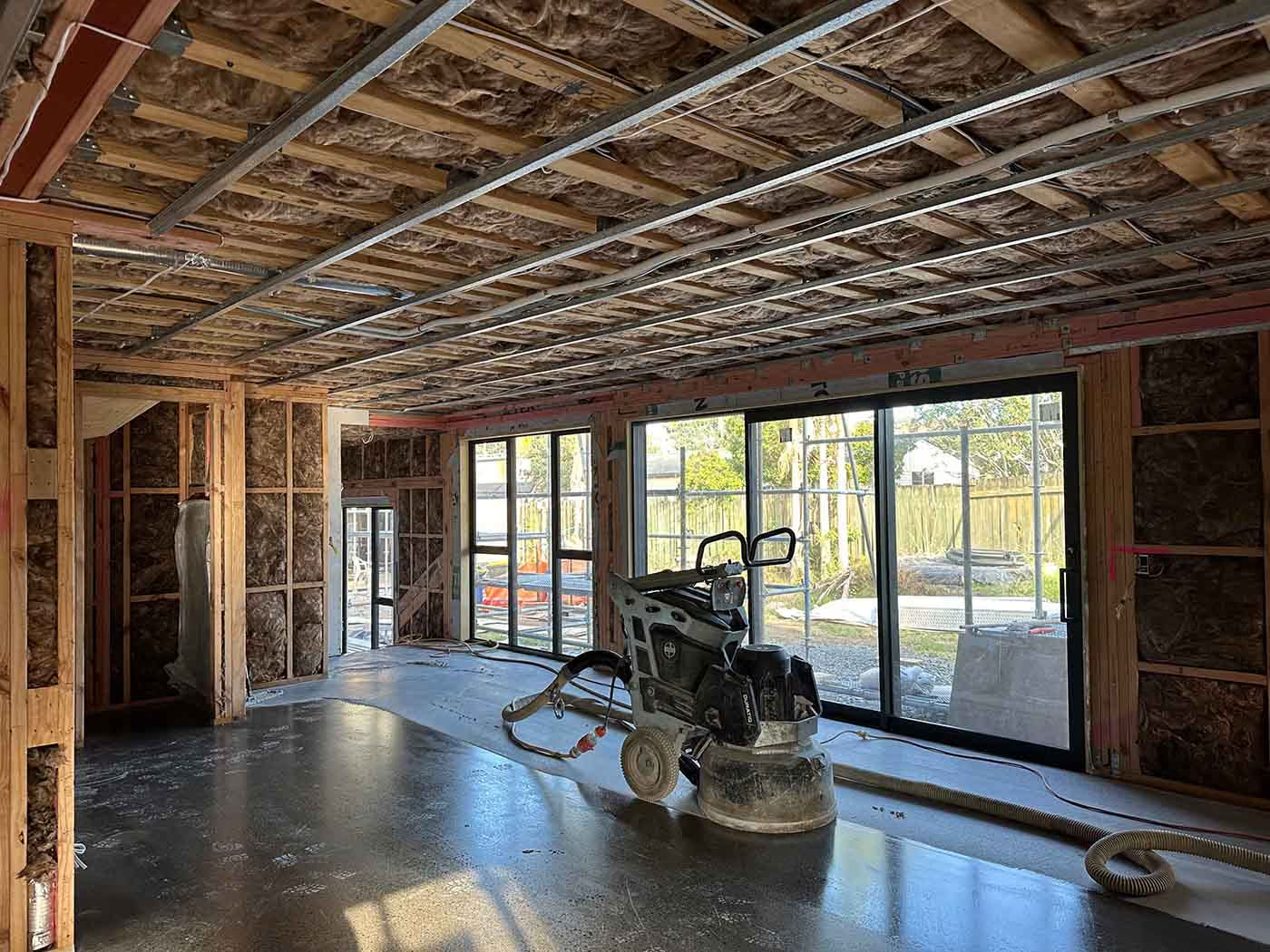
Four steps, usually inside a day for a home floor, and scheduled around your hours for commercial sites. Here's how it runs.
A gentle, pH-neutral cleaner and a mop. Avoid anything acidic, anything with bleach, and general purpose cleaners that strip protection off. Vinegar is the most common mistake, because it's acidic and it slowly eats the surface protection.
Two easy signs. Water stops beading on the surface and starts soaking in, and the traffic paths look duller than the parts of the floor nobody walks on.
On polished floors, yes. The 10-year warranty runs on the basis that the care routine is followed and the protection is topped up at the intervals we set out. Keeping up with it is what keeps the cover in place.
Usually. Light scratching and marking often disappears with a proper clean and re-protection. Deeper scratches may need a localised re-polish. We'll tell you which yours are.
Usually a protection or sealer issue rather than a problem with the concrete itself, and often caused by the wrong cleaning product. It's normally correctable, and it's worth getting looked at rather than trying to fix with more cleaning.
Yes, scheduled maintenance plans with agreed intervals and pricing. Tell us your site, traffic and trading hours and we'll put something together.
No obligation and no call centre. Jay will look at your floor, tell you honestly whether it needs anything yet, and give you a fixed price if it does.