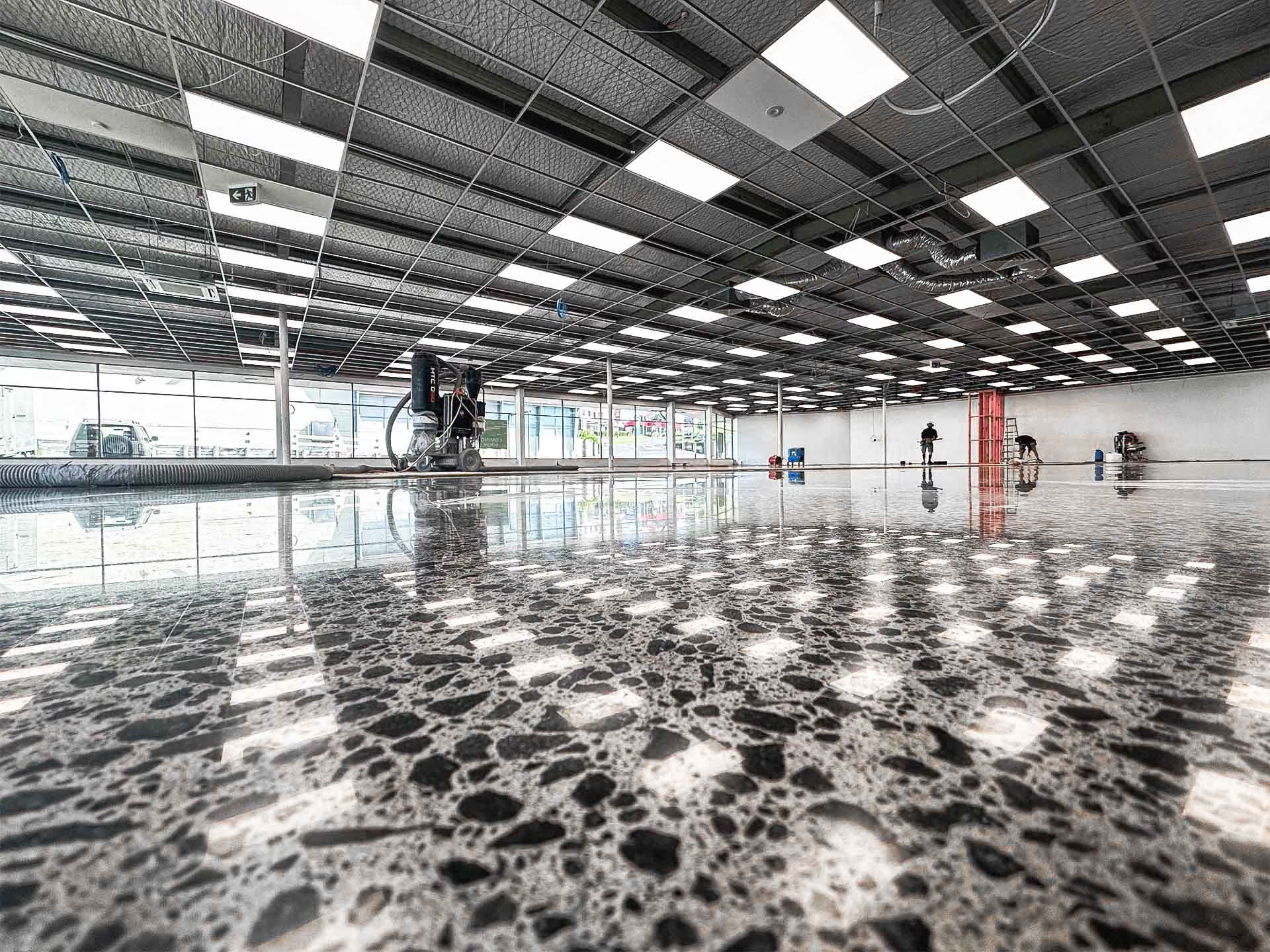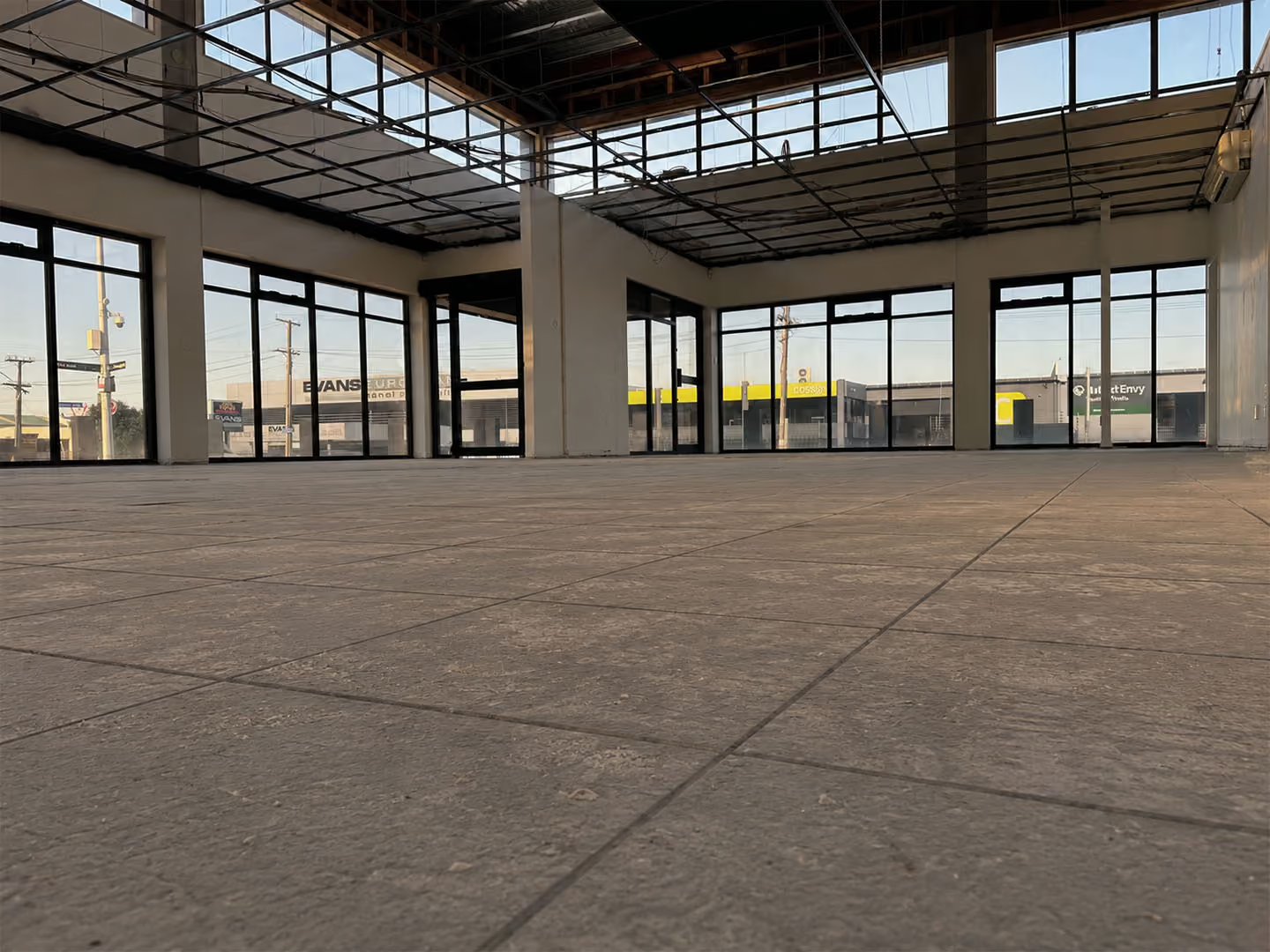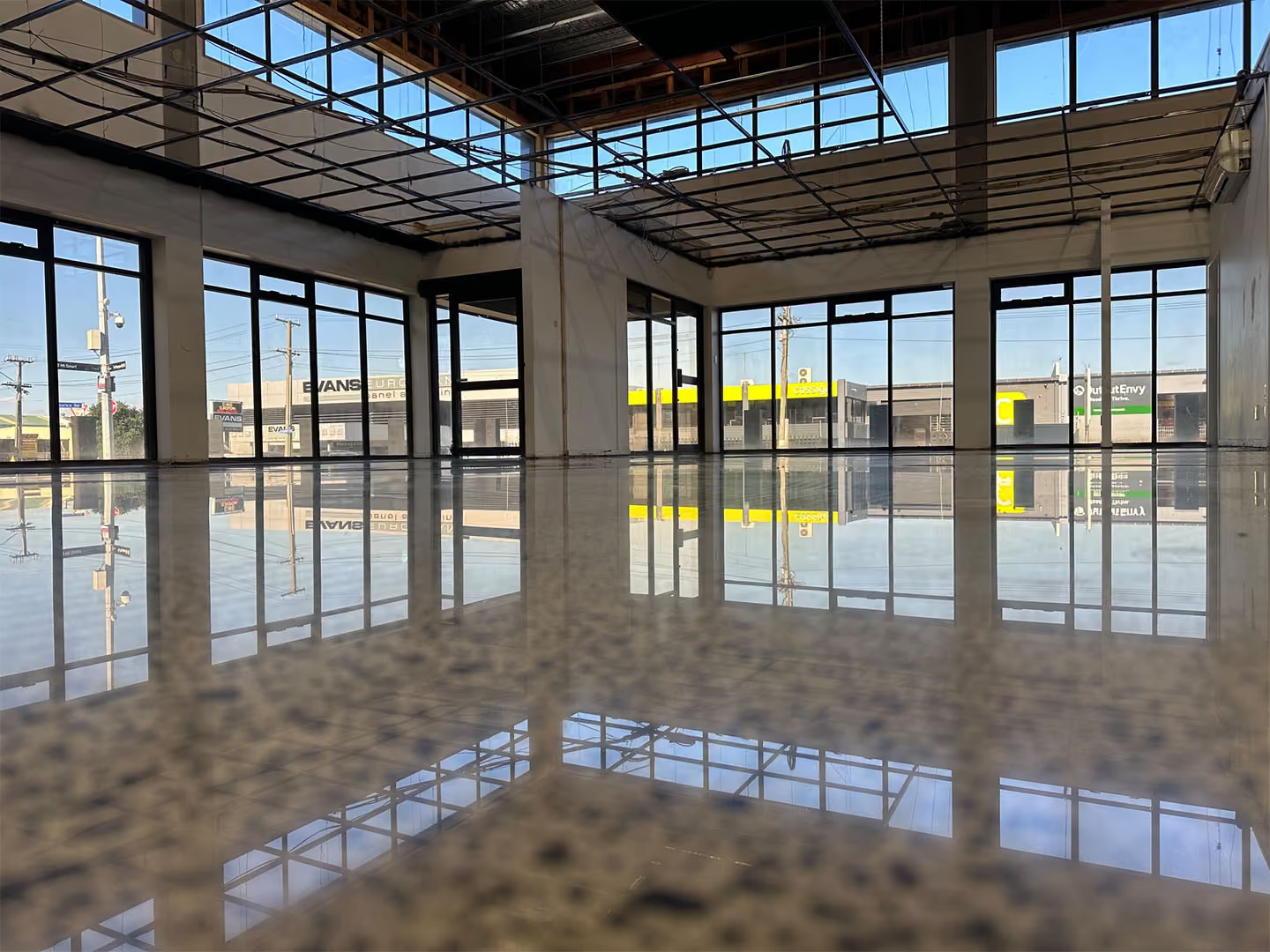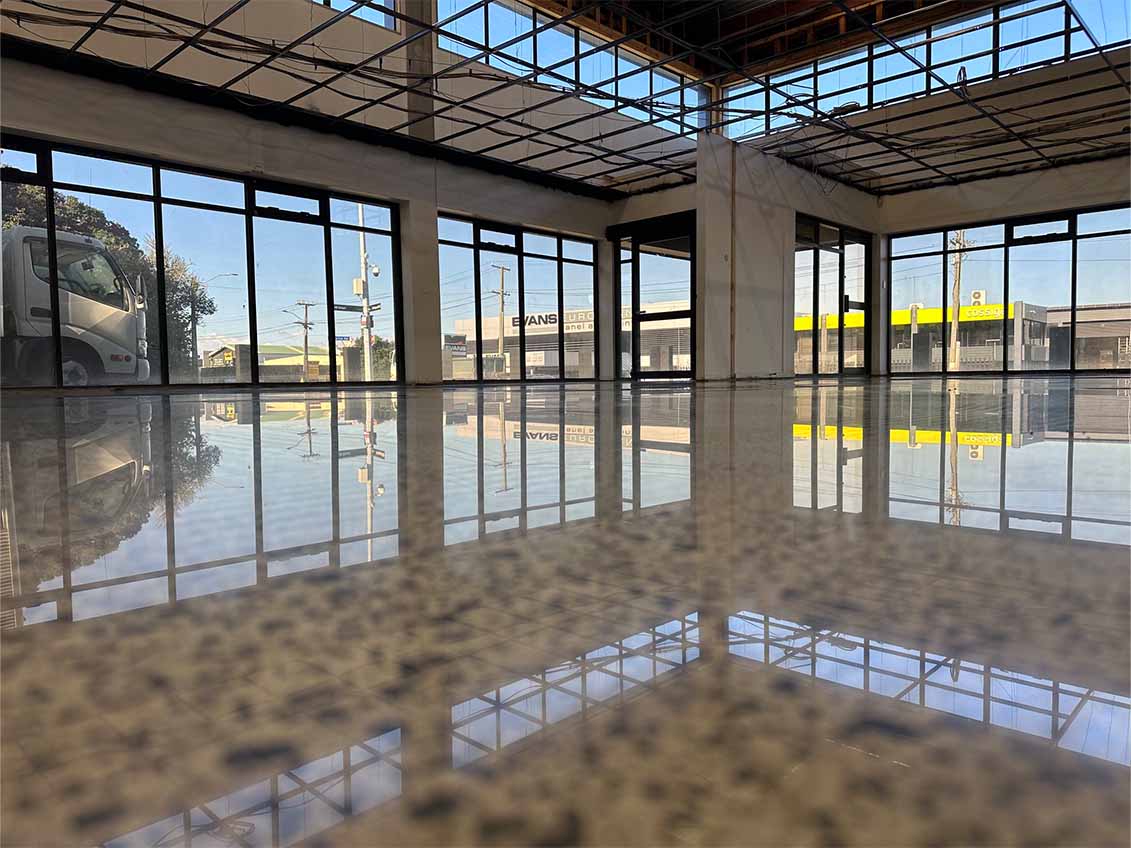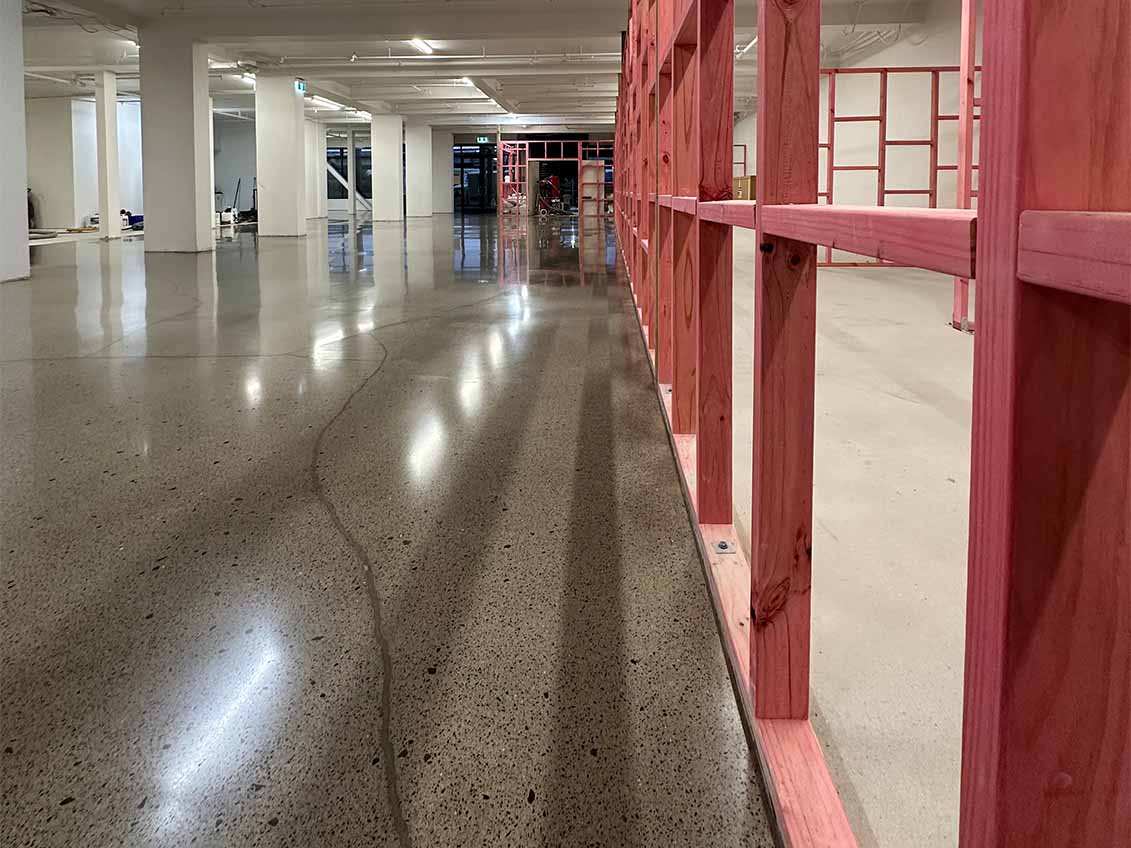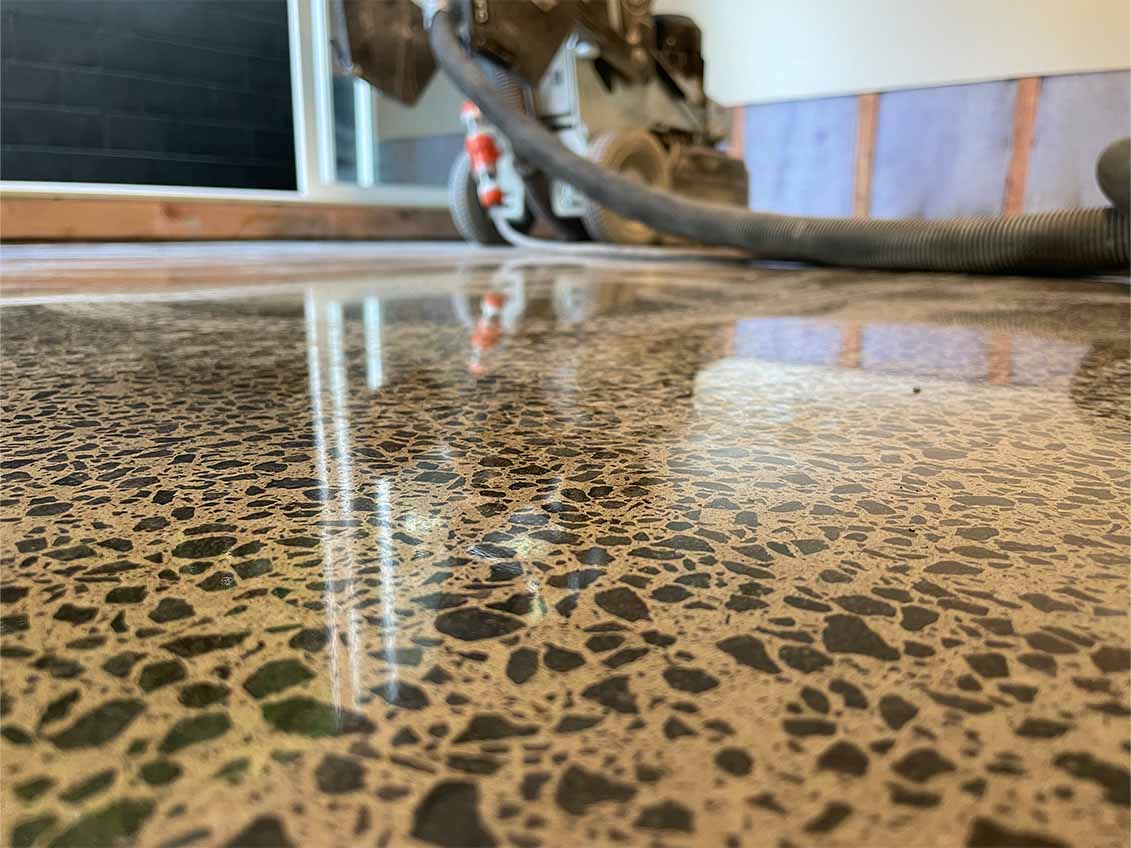


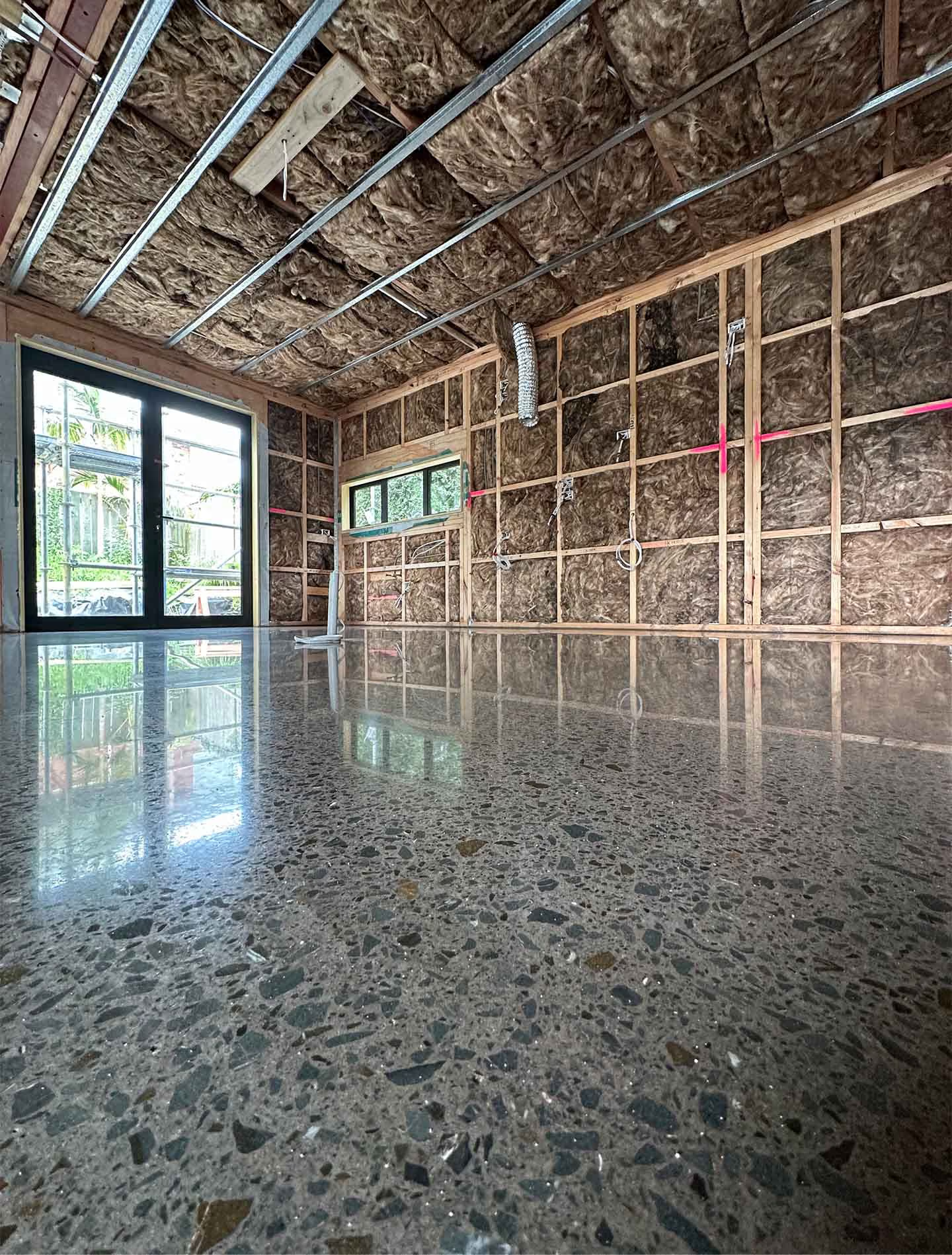
Polished concrete isn't a coating or a covering. It's your existing slab, turned into the finished floor.
We grind the surface with diamond tooling, then treat it with a liquid hardener that soaks in and reacts with the concrete itself, making the surface denser and tougher. From there we work through a series of finer and finer polishing stages until the concrete has a shine of its own. There's nothing sitting on top to peel, chip or wear away, because the finish is the floor.
Here's a detail most websites skip. Concrete isn't genuinely polished until it has been through those finer polishing stages, starting at 400 grit. A floor that stops before then is a Grind & Seal, where the shine comes from a sealer sitting on the surface. Both are good floors and we do both, but they aren't the same thing and they shouldn't cost the same. Past 400 grit, we can take your floor to 800, 1,500 or 3,000 grit depending on how much shine you want.
If a Grind & Seal suits your slab or your budget better, we'll tell you that and quote it instead.
For living areas, architectural homes and showrooms. We take the polish further, spend more time on edges and doorways, and match the finish to your interior. This is the floor visitors notice.
For shops, cafés and offices that take real foot traffic. Hard wearing, easy to clean, and finished at a level that balances how it looks with how it performs underfoot.
For warehouses and production floors, where toughness, light and easy cleaning matter more than a mirror finish. For very large areas, ask about our Hiper Trowel polishing, which covers 1,000 to 10,000 square metres and up far faster than standard methods.
Concrete is stone held together by cement paste, and how deep we grind decides how much of it you see. Your slab sets the limit though. Where the aggregate sits and how it was placed decides what's actually achievable, so not every floor can reach every level. Jay will tell you which of these yours can realistically give you.
A cream finish using only the surface paste. Smooth, uniform, minimal grinding.
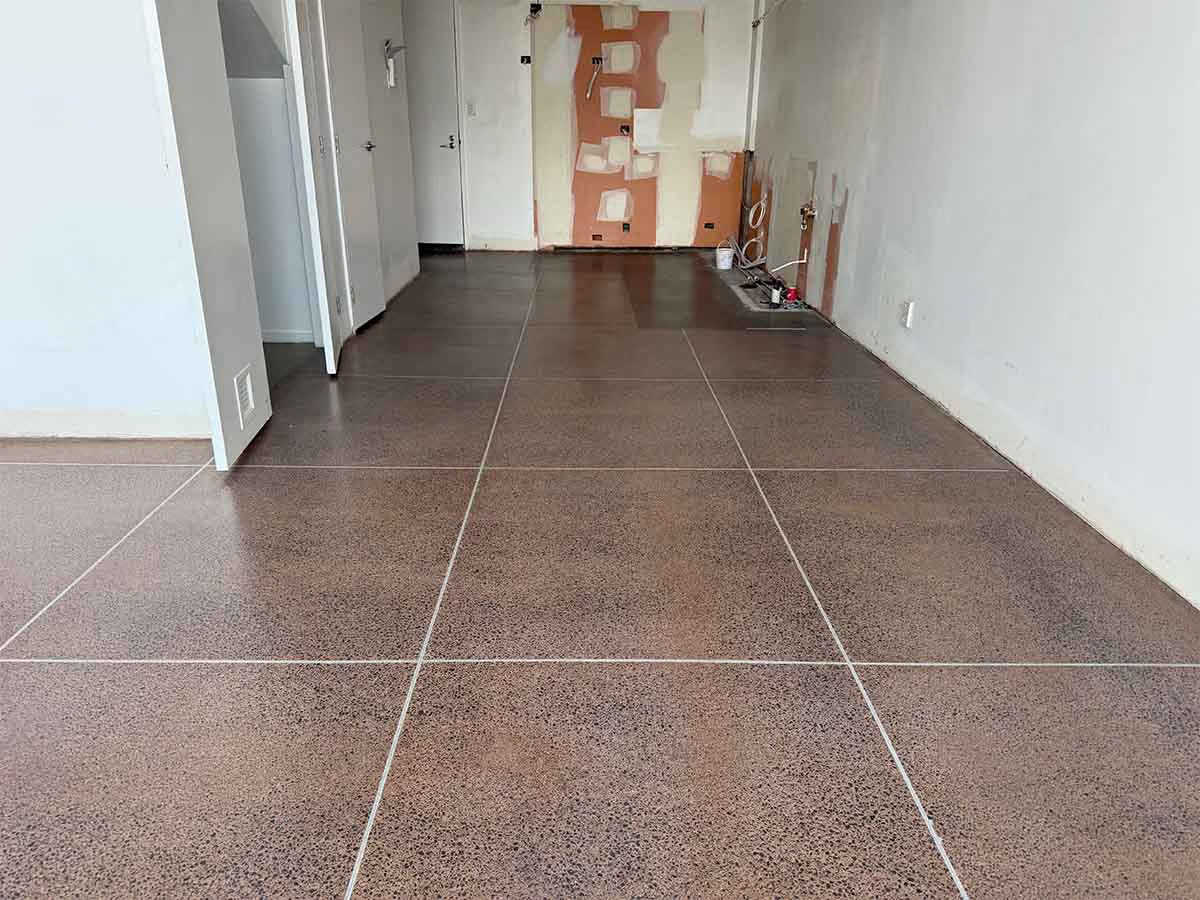
A fine salt-and-pepper fleck. The most popular residential look.
Patches of aggregate scattered naturally across the floor. Organic and characterful.
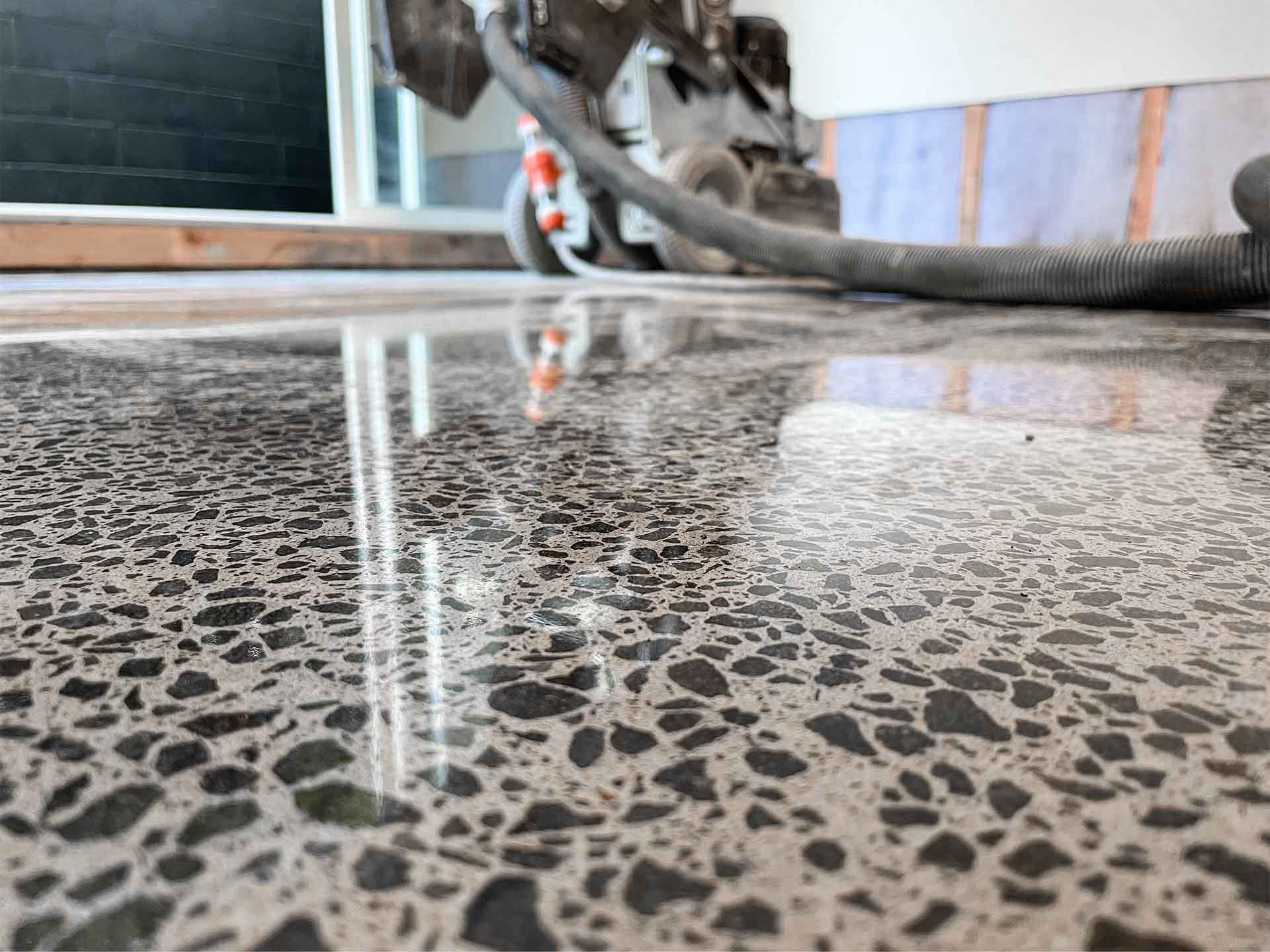
Ground deep to reveal the stone throughout, like terrazzo made from your own slab.


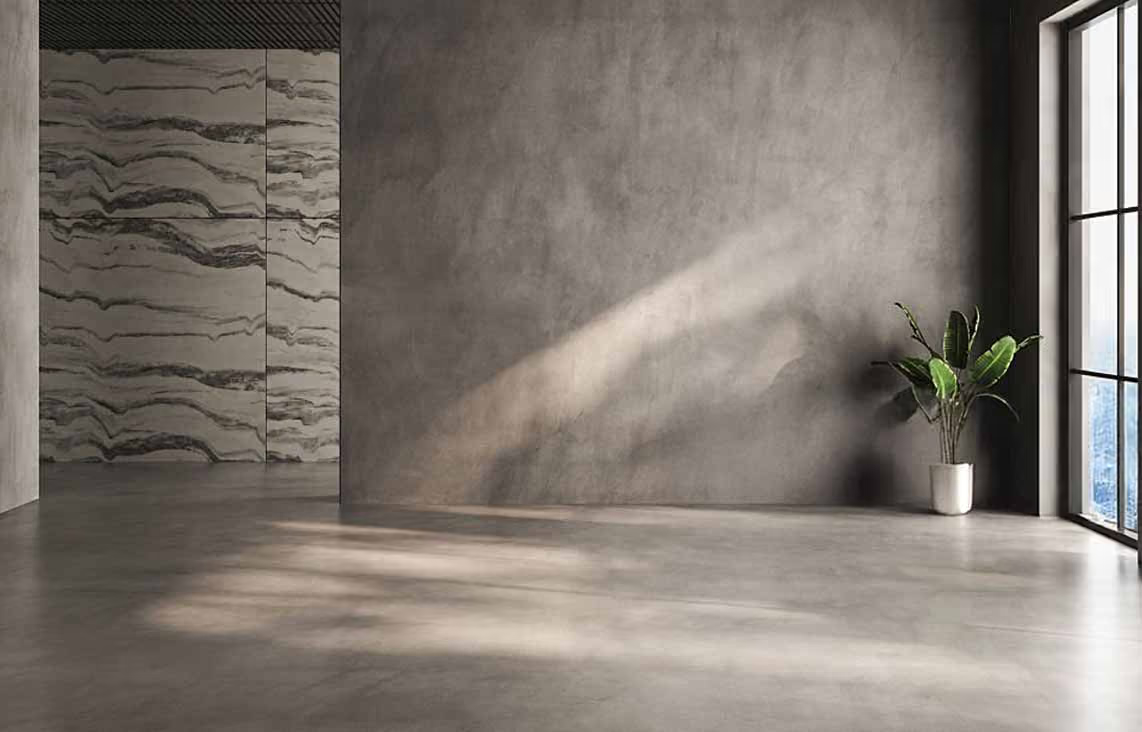
From a soft natural sheen to a full showroom mirror, the gloss level sets the mood of the room.
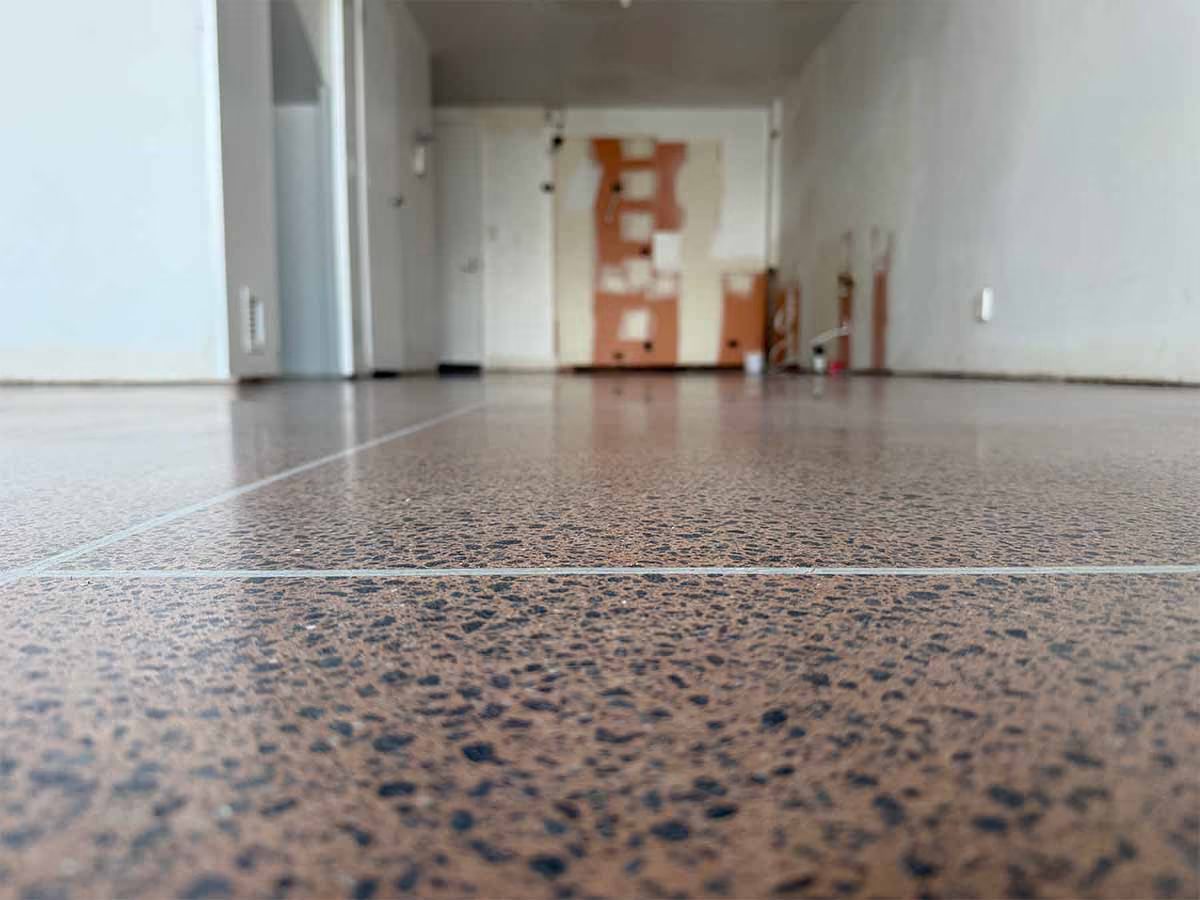
A soft, natural sheen with very little reflection. Warm, understated and forgiving day to day.
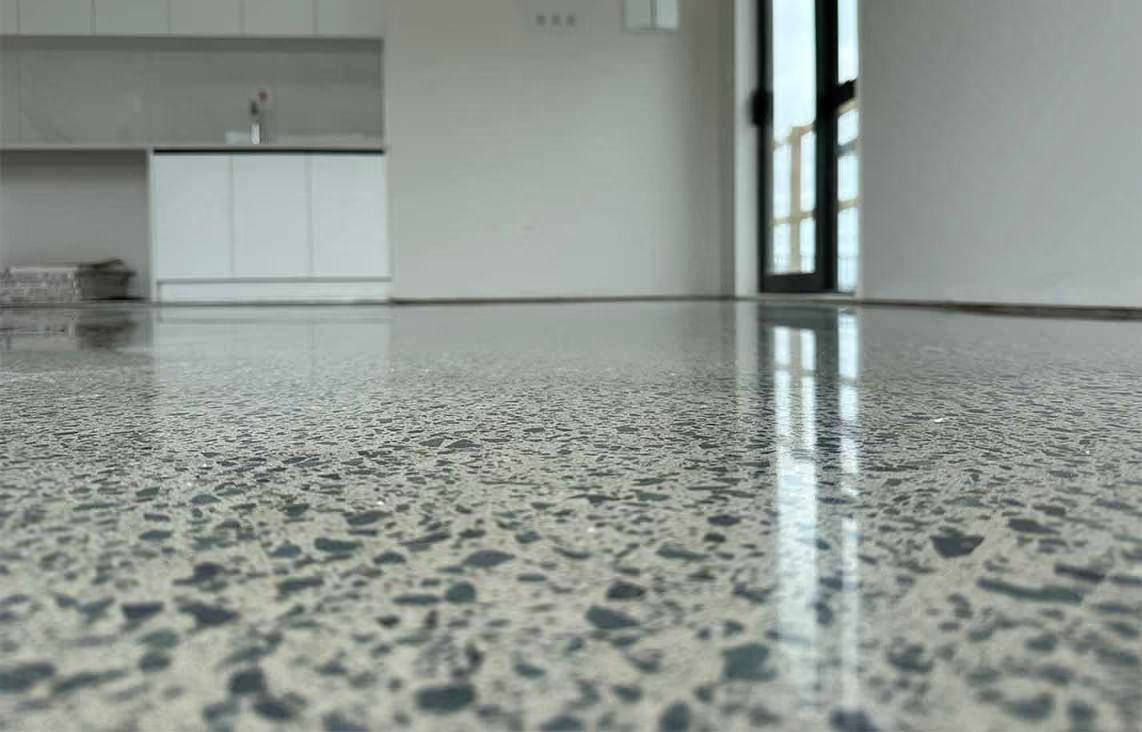
The most popular choice. Clearly reflective, and it lifts the light around a room without turning the floor into a mirror.
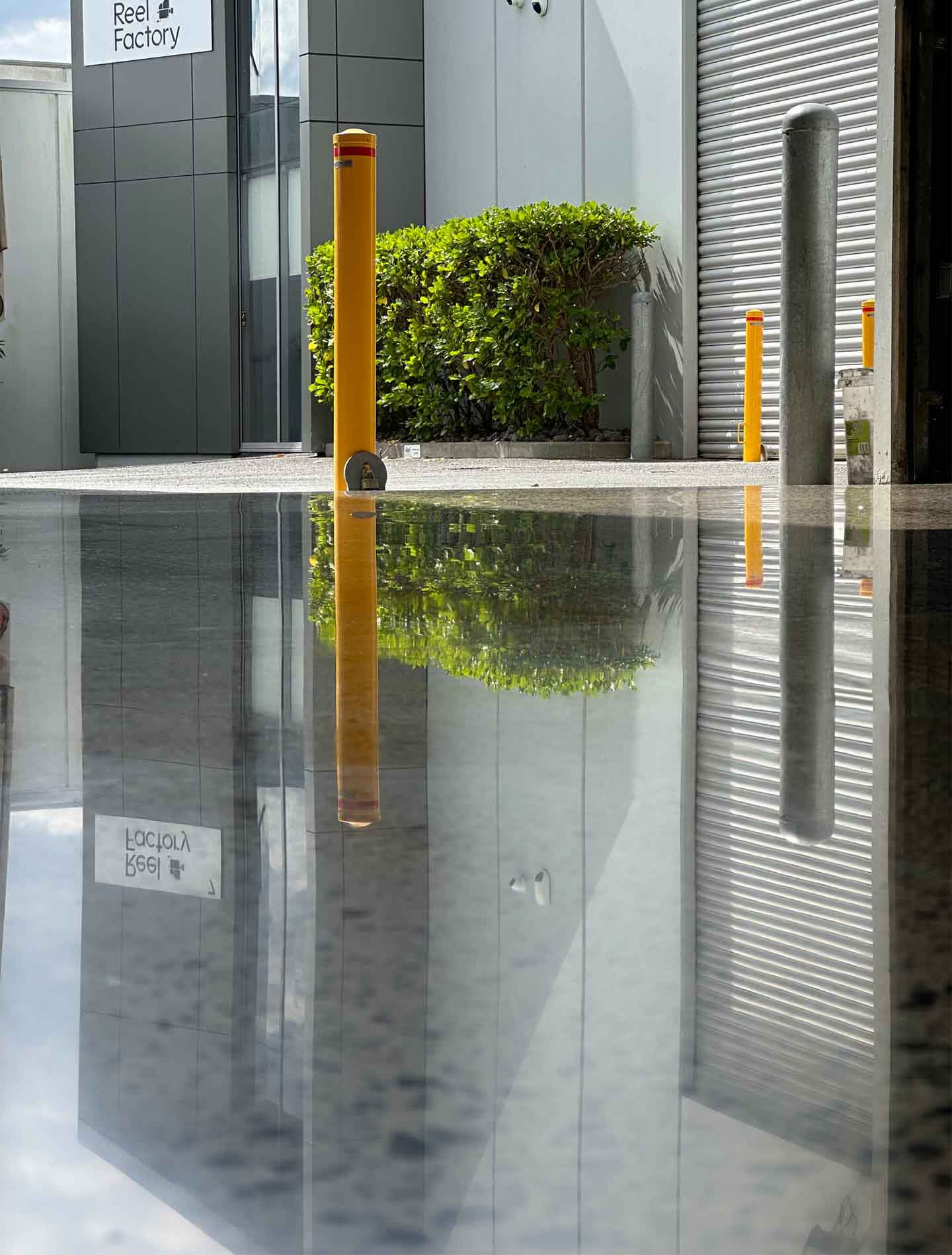
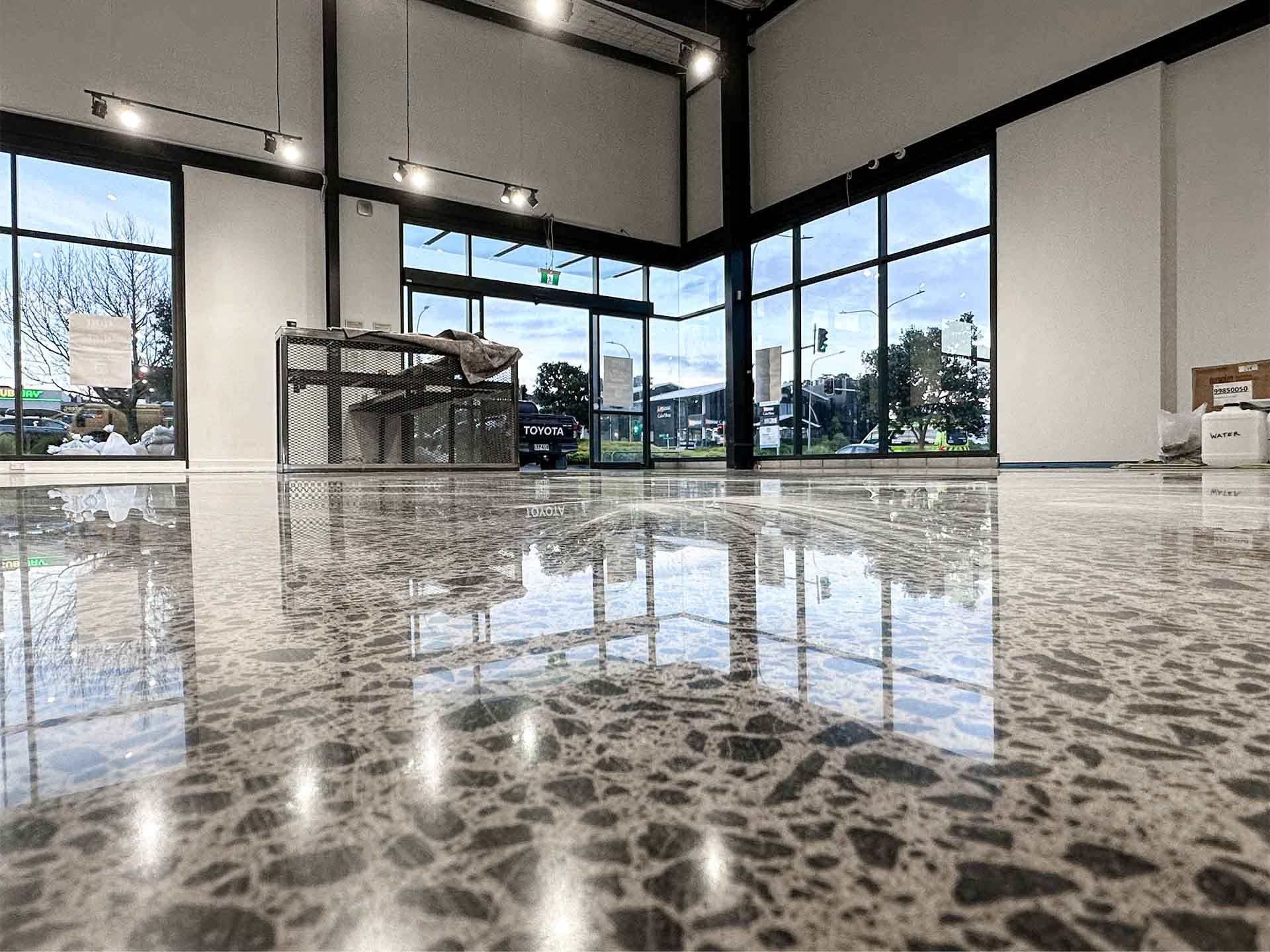
Polished all the way to 3,000 grit for a deep, reflective, showroom floor that makes a space feel brighter and bigger.
Worth knowing: with polished concrete you're choosing how far we polish, not choosing a product. Truly flat finishes like matte and satin come from sealers, which is grind and seal territory. So if someone offers you "matte polished concrete", ask what grit they stop at.
There's no coating to peel or replace. With simple care, a polished floor outlives carpet several times over and keeps up with tiles for a fraction of the upkeep.
Ten years, as long as you follow the straightforward care routine we hand over with the floor.
Mop it with a gentle, pH-neutral cleaner. No grout to scrub, no re-oiling, no specialist cleaning.
There's nowhere for dust and allergens to settle into, unlike carpet.
Concrete holds heat well and releases it slowly, so it pairs nicely with underfloor heating and sunny, north-facing rooms.
The finish reveals the stone in your own slab, so your floor is one of a kind.
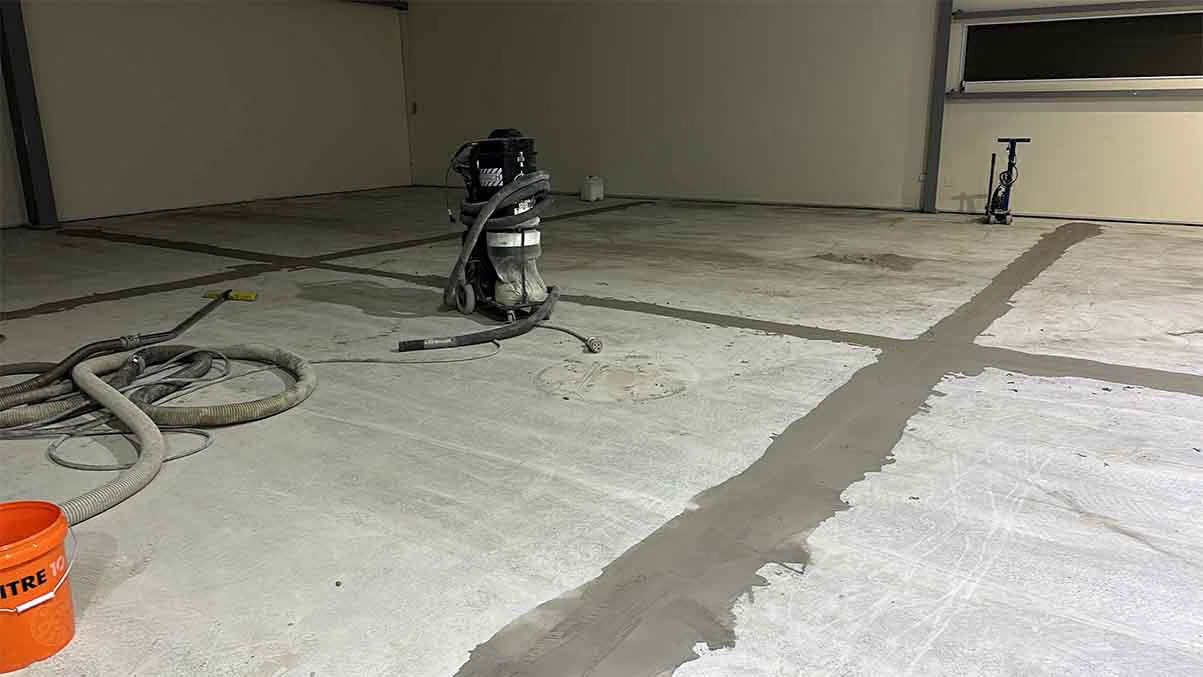
Six stages, and your slab looks completely different by the end of each one. Here's what actually happens between the quote and the finished floor.
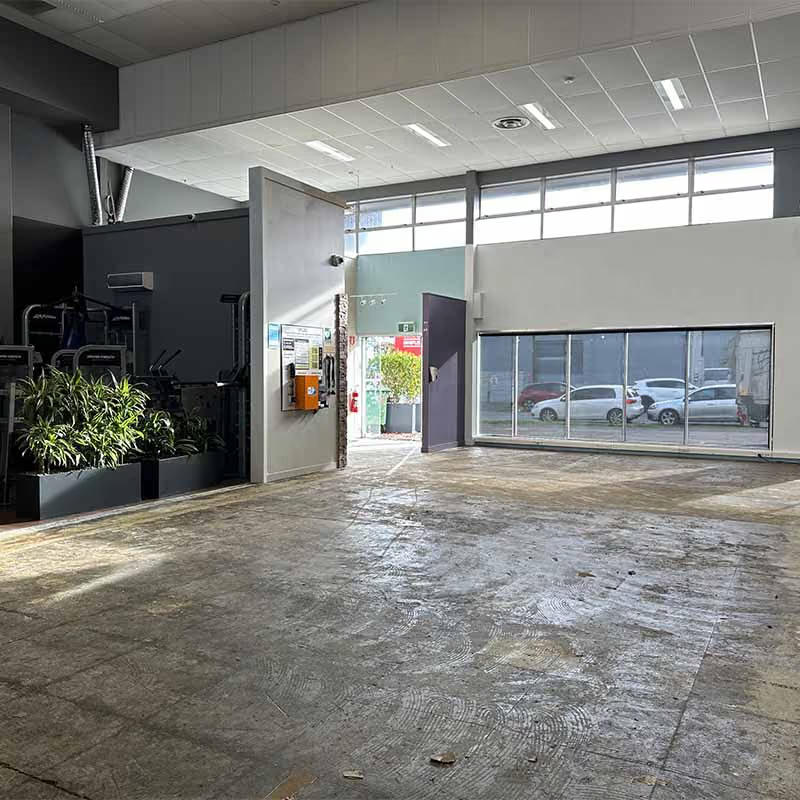
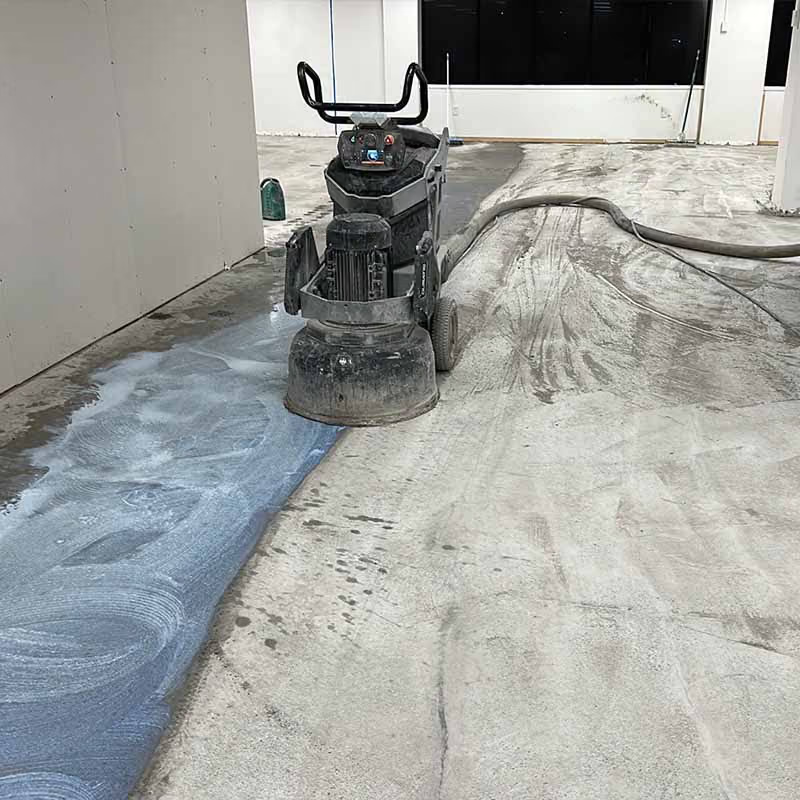
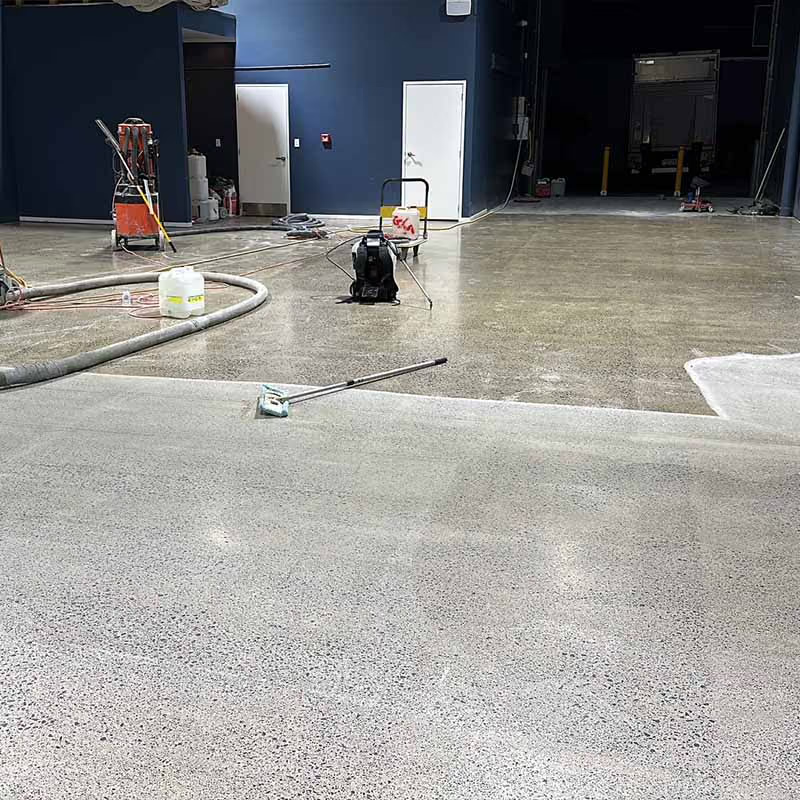
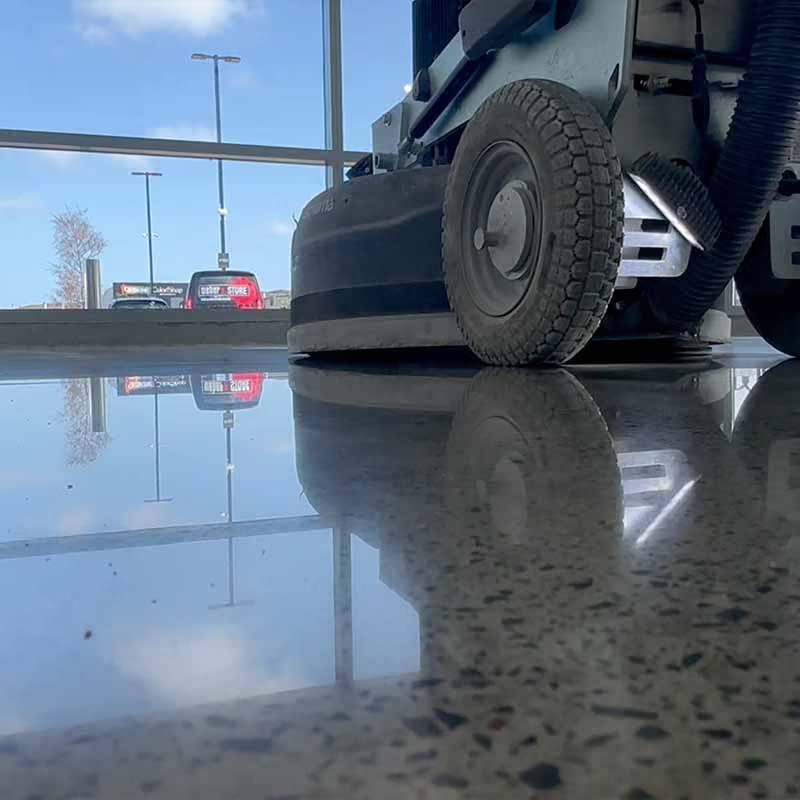
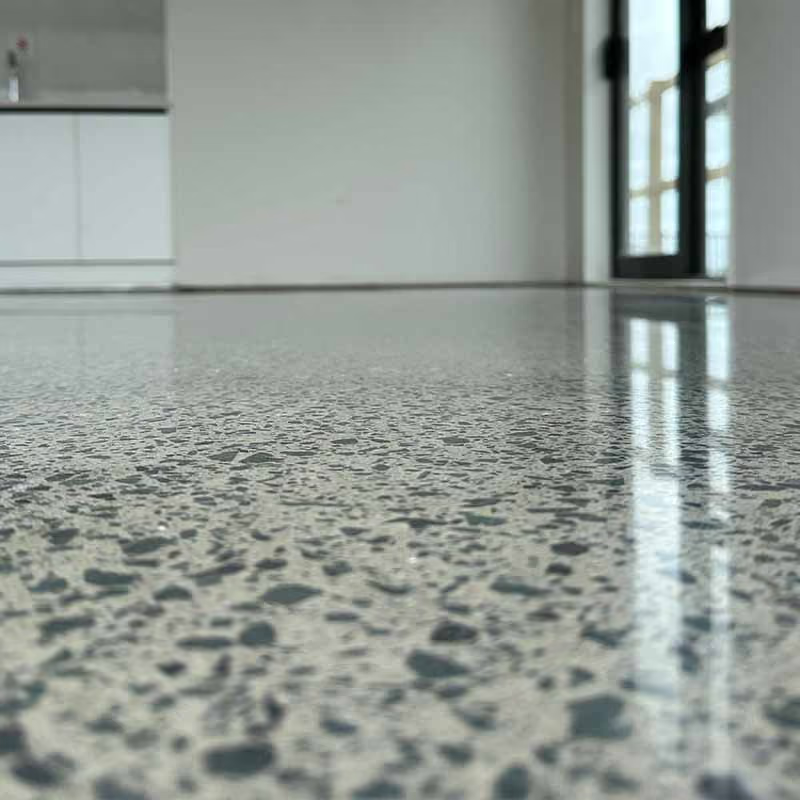
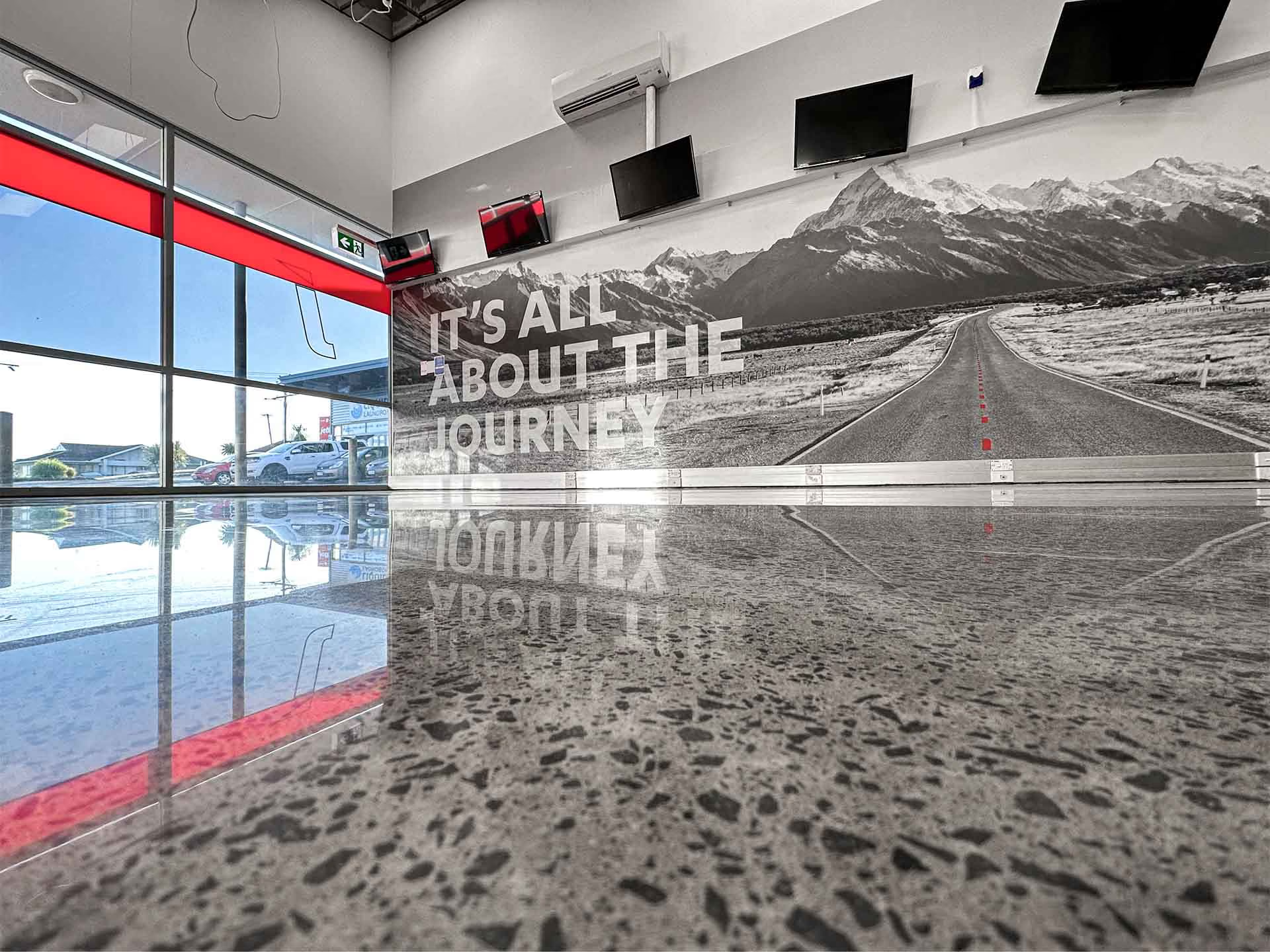
Living areas, kitchens and hallways in new builds and renovations. Garages being turned into proper rooms. Shop, café and showroom floors that need to look good under constant traffic. Warehouses and production floors where toughness is the whole point.
If you're building, talk to us early. Polishing an open slab before the joinery and skirtings go in costs less and gives a better result around the edges, and we can work in around your build programme.
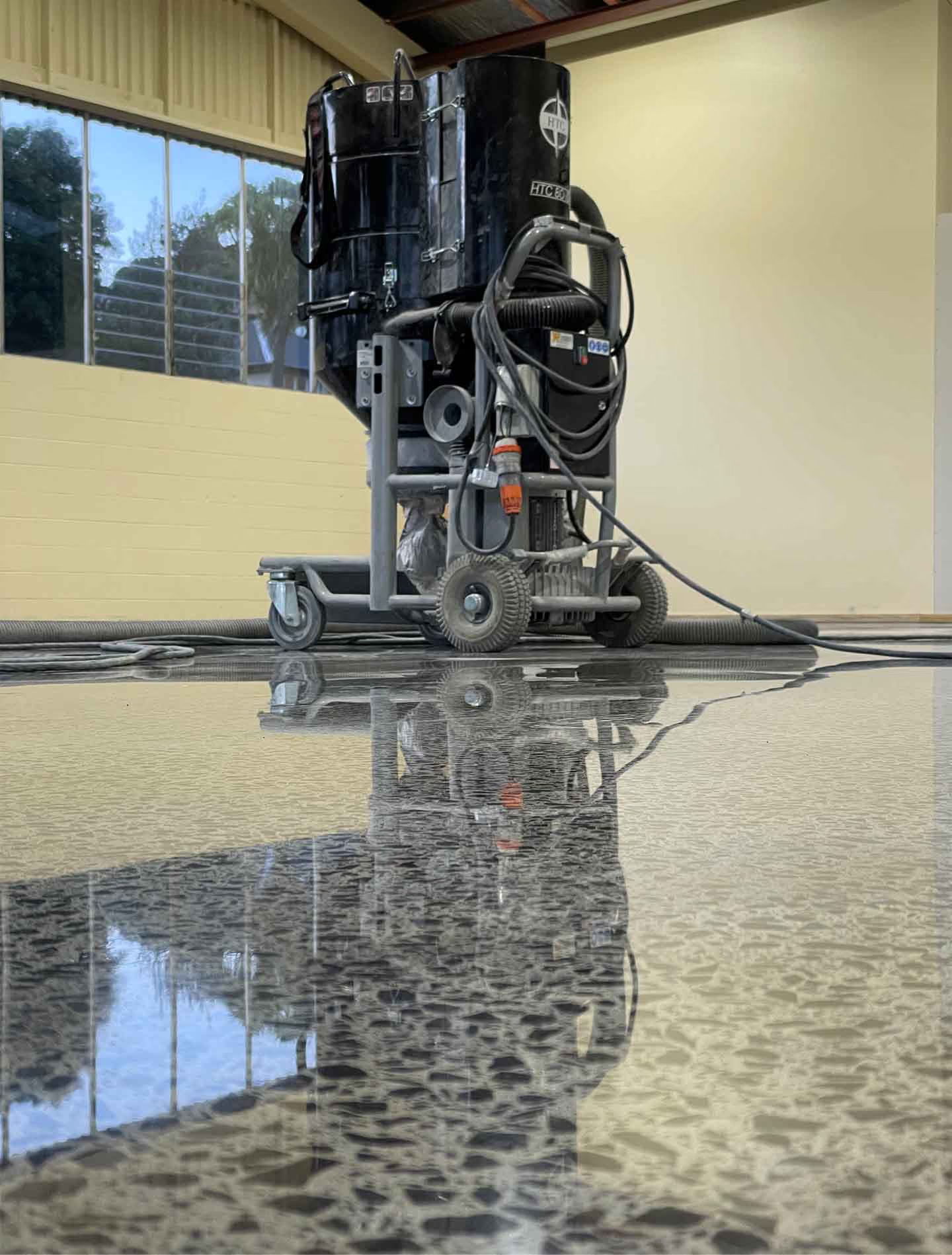
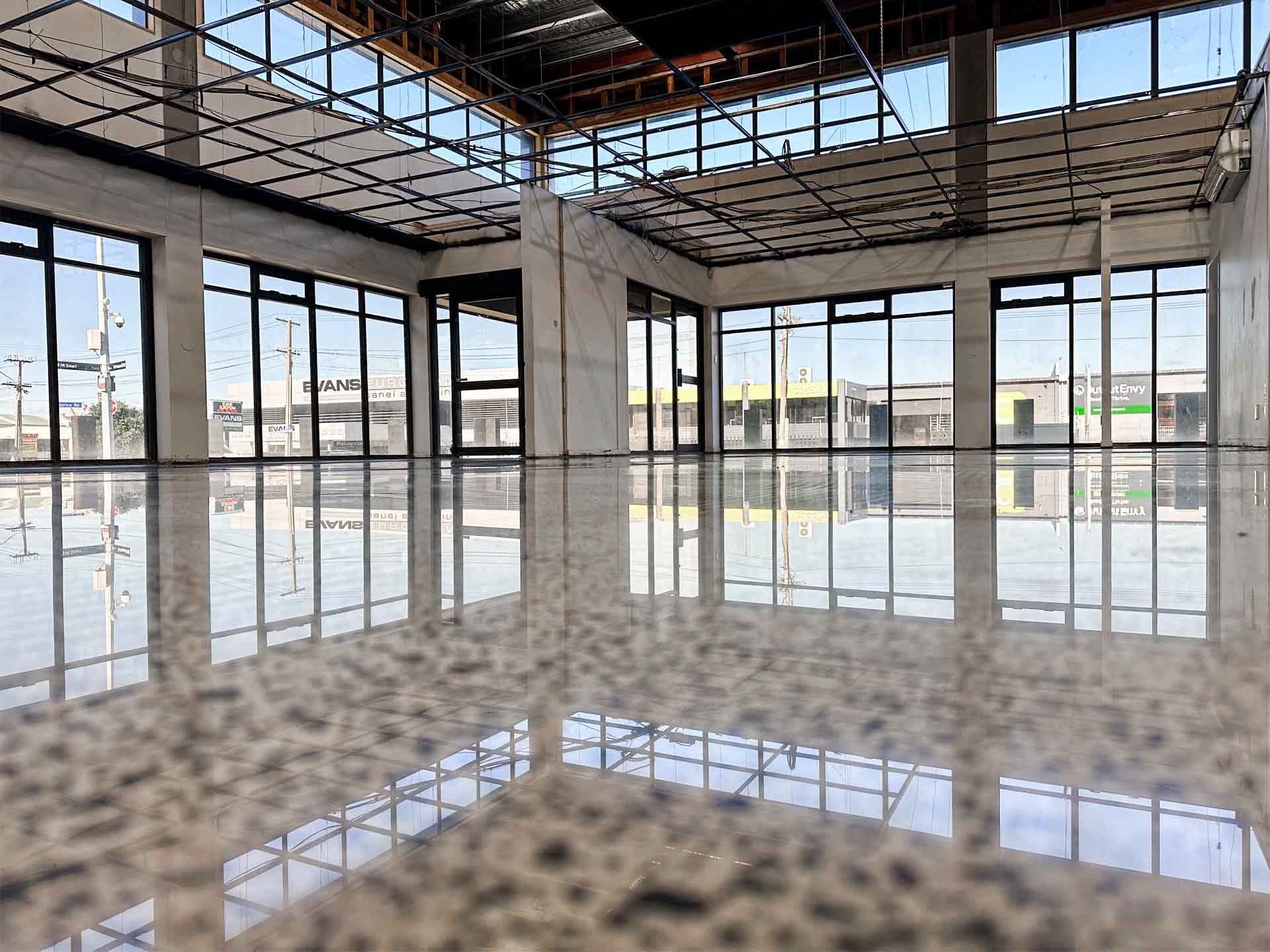
Every polished floor we finish is covered for ten years, as long as you follow the care routine we set out at handover. That means cleaning with a gentle, pH-neutral product and having the stain protection topped up at the intervals we give you. There's no fine print maze. If the finish fails within those terms, we come back and put it right.
It depends on the size of the floor, the condition of your slab, how deep we grind and how much shine you want. Large open areas cost less per square metre, and detailed work in a finished home costs more. The free on-site assessment gets you a fixed price rather than a rough estimate.
Usually, yes, including older slabs and floors currently hidden under carpet or tiles. It comes down to how hard and sound the concrete is. If your slab isn't strong enough for a full polish, a grind and seal gives a very similar look without the risk, and Jay will tell you which one your floor needs at the assessment.
It's less slippery than people expect when dry, and about the same as tiles when wet. For wet areas and pool surrounds we offer a permanent non-slip texture that meets the NZ slip resistance standard (AS/NZS 3661.1) through our bush hammering service.
Most home floors take a few days, depending on the size of the area and the finish you've chosen. A new slab needs at least 28 days to cure before we can grind it. We confirm the schedule in your quote and stick to it.
Mop with a gentle, pH-neutral cleaner and have the stain protection topped up at the intervals in your handover guide. No special gear and no contract required, although we do offer maintenance plans for commercial floors.
No obligation and no call centre. Jay will look at your concrete in person, tell you honestly how it will come up, and give you a fixed price.